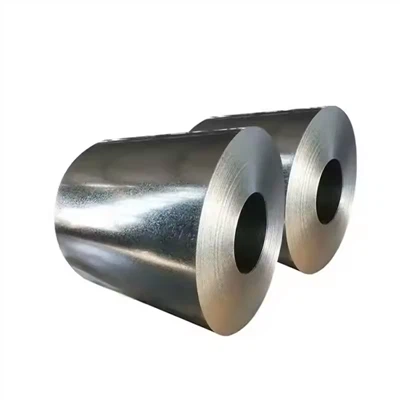
Storage conditions play a crucial role in maintaining the quality and integrity of prepainted galvanized steel. As a supplier of Prepainted Galvanized Steel, I understand the importance of proper storage to ensure that our products reach our customers in the best possible condition. In this blog post, I will discuss the key storage conditions for prepainted galvanized steel and provide some practical tips to help you store this material effectively.
Temperature and Humidity
One of the most important factors to consider when storing prepainted galvanized steel is the temperature and humidity of the storage environment. Extreme temperatures and high humidity levels can have a significant impact on the quality of the paint coating and the galvanized layer.
- Temperature: The ideal temperature range for storing prepainted galvanized steel is between 10°C and 30°C (50°F and 86°F). Temperatures outside this range can cause the paint to expand or contract, leading to cracking, peeling, or blistering. Additionally, high temperatures can accelerate the corrosion process, reducing the lifespan of the galvanized layer.
- Humidity: High humidity levels can cause condensation to form on the surface of the steel, which can lead to corrosion and damage to the paint coating. The ideal relative humidity for storing prepainted galvanized steel is between 30% and 60%. To maintain this humidity level, it is recommended to use a dehumidifier or air conditioning system in the storage area.
Ventilation
Proper ventilation is essential for storing prepainted galvanized steel. Good ventilation helps to remove moisture and prevent the buildup of harmful gases, such as hydrogen sulfide and sulfur dioxide, which can cause corrosion and damage to the steel.
- Air Circulation: Ensure that the storage area has adequate air circulation to prevent the accumulation of moisture and stagnant air. This can be achieved by installing fans or vents in the storage area.
- Avoid Enclosed Spaces: Avoid storing prepainted galvanized steel in enclosed spaces, such as basements or storage containers, without proper ventilation. These spaces can trap moisture and increase the risk of corrosion.
Protection from Physical Damage
Prepainted galvanized steel is susceptible to physical damage, such as scratches, dents, and abrasions, which can compromise the integrity of the paint coating and the galvanized layer. To prevent physical damage, it is important to take the following precautions:


- Proper Handling: When handling prepainted galvanized steel, use appropriate lifting equipment and avoid dragging or dropping the material. This can help to prevent scratches and dents on the surface of the steel.
- Storage Racks: Use storage racks or pallets to store prepainted galvanized steel. This can help to prevent the material from coming into contact with the ground or other objects, reducing the risk of physical damage.
- Separation: Separate different sizes and types of prepainted galvanized steel to prevent them from rubbing against each other and causing damage.
Protection from Chemicals
Prepainted galvanized steel can be damaged by exposure to certain chemicals, such as acids, alkalis, and solvents. To protect the steel from chemical damage, it is important to take the following precautions:
- Avoid Contact with Chemicals: Keep prepainted galvanized steel away from chemicals, such as cleaning agents, paints, and solvents. If the steel comes into contact with chemicals, it should be cleaned immediately with a mild detergent and water.
- Storage Location: Store prepainted galvanized steel in a location that is away from sources of chemicals, such as chemical storage areas or industrial processes.
- Labeling: Label the storage area to indicate that prepainted galvanized steel is stored there and to provide instructions on how to handle the material safely.
Protection from Sunlight
Exposure to sunlight can cause the paint coating on prepainted galvanized steel to fade, crack, or peel. To protect the steel from sunlight, it is important to take the following precautions:
- Cover the Steel: Cover the prepainted galvanized steel with a protective cover, such as a tarp or plastic sheet, to prevent it from being exposed to sunlight.
- Store in a Shaded Area: Store the steel in a shaded area, such as a warehouse or storage shed, to reduce the amount of sunlight it is exposed to.
- Use UV-Resistant Paint: If the steel is going to be exposed to sunlight for an extended period of time, consider using a UV-resistant paint to protect the paint coating.
Regular Inspection
Regular inspection of prepainted galvanized steel is essential to ensure that it is being stored properly and that there are no signs of damage or corrosion. It is recommended to inspect the steel at least once a month and to take appropriate action if any issues are found.
- Visual Inspection: Conduct a visual inspection of the steel to check for any signs of damage, such as scratches, dents, or corrosion. If any damage is found, it should be repaired immediately to prevent further damage.
- Moisture Inspection: Check the storage area for any signs of moisture, such as condensation or water damage. If moisture is found, it should be removed immediately to prevent corrosion.
- Temperature and Humidity Monitoring: Monitor the temperature and humidity levels in the storage area regularly to ensure that they are within the recommended range. If the temperature or humidity levels are outside the recommended range, take appropriate action to adjust them.
Conclusion
Proper storage conditions are essential for maintaining the quality and integrity of prepainted galvanized steel. By following the tips outlined in this blog post, you can ensure that your prepainted galvanized steel is stored properly and that it reaches your customers in the best possible condition.
If you are interested in purchasing Prepainted Galvalume Steel Coil or Color Coated Galvalume Sheet Coil, please feel free to contact us. We would be happy to discuss your requirements and provide you with a quote.
References
- ASTM International. (2021). Standard Specification for Steel Sheet, Zinc-Coated (Galvanized) or Zinc-Iron Alloy-Coated (Galvannealed) by the Hot-Dip Process. ASTM A653/A653M-21.
- NACE International. (2016). Corrosion Basics: An Introduction to Corrosion. NACE International.
- Steel Construction Institute. (2019). Guide to the Protection of Steelwork Against Corrosion. SCI P358.