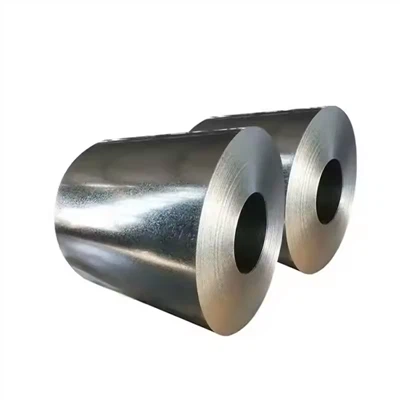
What is the lifespan of GI Steel Coil in different environments?
As a supplier of GI Steel Coil, I am often asked about the lifespan of our products in different environments. Galvanized Iron (GI) steel coil is a widely used material known for its corrosion resistance, which is mainly due to the zinc coating on the surface of the steel. However, the longevity of GI steel coil can vary significantly depending on the environmental conditions it is exposed to. In this blog post, I will explore how different environments can affect the lifespan of GI steel coil and provide some insights into maximizing its durability.
1. Indoor Environments
Indoor settings are generally the most favorable for GI steel coil, as they offer protection from many of the harsh elements that can accelerate corrosion. In a controlled indoor environment with stable temperature and humidity levels, the zinc coating on the GI steel coil can effectively protect the underlying steel from rusting for an extended period.
Typically, in a dry and clean indoor environment, such as a warehouse or an industrial building with proper ventilation, GI steel coil can last for 20 - 30 years or even longer. The low humidity and lack of direct exposure to rain, snow, or pollutants reduce the chances of the zinc coating being damaged or corroded. However, it is still important to ensure that the coils are stored properly. They should be stacked on pallets to prevent contact with the floor, which may accumulate moisture, and protected from any spills or chemicals that could potentially react with the zinc coating.
2. Rural Outdoor Environments
Rural areas usually have cleaner air with lower levels of pollutants compared to urban or industrial areas. The main environmental factors affecting GI steel coil in rural outdoor settings are sunlight, humidity, and occasional precipitation.
The lifespan of GI steel coil in a rural outdoor environment can range from 15 - 25 years. The zinc coating provides a sacrificial layer that corrodes preferentially to the steel, protecting it from rust. However, over time, the zinc will gradually wear away due to exposure to the elements. Sunlight can cause the zinc to oxidize, forming a protective zinc oxide layer on the surface. This layer helps to slow down further oxidation and corrosion.
In rural areas with high humidity, such as near lakes or rivers, the lifespan may be slightly reduced as the moisture in the air can accelerate the corrosion process. Adequate drainage and elevation of structures made from GI steel coil can help mitigate the effects of moisture.
3. Urban Outdoor Environments
Urban environments present a more challenging situation for GI steel coil. The air in cities often contains pollutants such as sulfur dioxide, nitrogen oxides, and particulate matter from vehicle emissions, industrial activities, and power generation. These pollutants can react with the zinc coating on the GI steel coil, accelerating its corrosion.
In addition, urban areas usually have higher levels of humidity due to the heat island effect and the presence of artificial water sources. The combination of pollutants and moisture can significantly reduce the lifespan of GI steel coil. In an urban outdoor environment, the lifespan of GI steel coil may range from 10 - 20 years.
To extend the lifespan of GI steel coil in urban areas, additional protective measures can be taken. For example, applying a paint coating over the zinc layer can provide an extra barrier against corrosion. Regular maintenance, such as cleaning the surface of the coil to remove dirt and pollutants, can also help slow down the corrosion process.
4. Industrial Outdoor Environments
Industrial settings are the most demanding for GI steel coil. The air in industrial areas is often contaminated with high concentrations of aggressive chemicals, acids, and alkalis. Factories, refineries, and steel mills can emit fumes and pollutants that are extremely corrosive to the zinc coating on the GI steel coil.
In an industrial outdoor environment, the lifespan of GI steel coil can be significantly reduced, sometimes to less than 10 years. The harsh chemicals can quickly eat away at the zinc coating, exposing the underlying steel to corrosion. In addition, industrial processes may generate heat, which can also accelerate the corrosion rate.
To increase the durability of GI steel coil in industrial areas, special coatings or treatments may be required. Galvanized Steel Sheet In Coil with thicker zinc coatings or additional protective layers can be used. Regular inspections and maintenance are essential to detect and address any signs of corrosion before it spreads.
5. Coastal Environments
Coastal areas are characterized by high humidity, saltwater spray, and strong winds. The salt in the air is highly corrosive to metals, including GI steel coil. The chloride ions in the saltwater can penetrate the zinc coating and react with the steel, causing pitting corrosion.
In a coastal environment, the lifespan of GI steel coil can be as short as 5 - 15 years, depending on the proximity to the sea and the severity of the salt spray. To protect GI steel coil in coastal areas, it is recommended to use coils with a higher zinc coating weight or apply a special anti - corrosion coating. Structures made from GI steel coil in coastal areas should also be designed to minimize the accumulation of saltwater, such as by providing proper drainage and ventilation.
Maximizing the Lifespan of GI Steel Coil
Regardless of the environment, there are several steps that can be taken to maximize the lifespan of GI steel coil:
- Proper Selection: Choose the right type of Prime Hot Dipped Galvanized Steel Coils with an appropriate zinc coating thickness based on the expected environmental conditions.
- Installation: Ensure proper installation to prevent damage to the zinc coating. Use suitable fasteners and avoid scratches or dents during handling.
- Maintenance: Regularly inspect the GI steel coil for signs of corrosion and clean the surface to remove dirt, debris, and pollutants.
- Additional Protection: Consider applying a paint or other protective coating over the zinc layer for added corrosion resistance, especially in harsh environments.
Conclusion
The lifespan of GI steel coil varies greatly depending on the environment it is exposed to. Indoor environments offer the longest lifespan, while industrial and coastal environments are the most challenging. As a supplier of GI steel coil, we understand the importance of providing high - quality products and offering advice on how to maximize their durability.
If you are considering purchasing GI steel coil for your project, we can provide you with detailed information on the best product for your specific environment. Our team of experts is ready to assist you in selecting the right material and ensuring its proper use. Contact us to discuss your requirements and start the procurement process today.


References
- Kucera, V., & Mattsson, L. (2009). Atmospheric corrosion of zinc in different environments. Journal of Coating Technology and Research, 6(1), 1 - 11.
- ISO 9224:2012. Corrosion of metals and alloys - Assessment of corrosivity of atmospheres - Classification, determination and estimation of corrosivity.