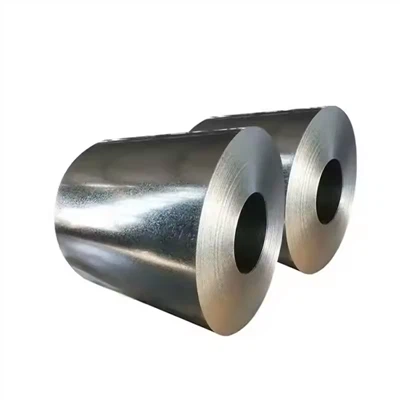
Does PPGI Steel Coil require maintenance?
As a supplier of PPGI Steel Coil, I often encounter questions from customers about the maintenance requirements of this product. PPGI, or Pre-Painted Galvanized Iron, steel coil is a popular choice in various industries due to its aesthetic appeal, corrosion resistance, and durability. In this blog post, I will delve into the topic of whether PPGI steel coil requires maintenance, exploring its characteristics, factors affecting maintenance needs, and best practices for upkeep.
Characteristics of PPGI Steel Coil
PPGI steel coil is made by applying a layer of paint on galvanized steel. The galvanized layer provides a basic level of corrosion protection by acting as a sacrificial anode, while the paint layer adds an extra barrier against environmental factors such as moisture, UV rays, and chemicals. This combination results in a product that is not only attractive but also highly resistant to rust and other forms of corrosion.


One of the key advantages of PPGI steel coil is its long service life. When properly installed and used in appropriate environments, it can last for many years without significant deterioration. However, like any other material, it is not completely immune to the effects of time and environmental conditions.
Factors Affecting Maintenance Needs
Several factors can influence the maintenance requirements of PPGI steel coil. These include:
- Environmental Conditions: The location where the PPGI steel coil is installed plays a crucial role in determining its maintenance needs. In areas with high humidity, saltwater exposure, or industrial pollution, the coil may be more prone to corrosion and require more frequent maintenance. For example, PPGI steel used in coastal regions or near chemical plants may need additional protection and regular inspections.
- Installation Quality: Proper installation is essential for the long-term performance of PPGI steel coil. If the coil is not installed correctly, it may be more susceptible to damage from wind, rain, or other external forces. For instance, improper sealing around joints and edges can allow water to penetrate, leading to corrosion.
- Usage: The way the PPGI steel coil is used also affects its maintenance requirements. In applications where the coil is exposed to abrasion, impact, or harsh chemicals, it may need more frequent maintenance. For example, PPGI steel used in construction sites or manufacturing facilities may be subject to scratches and dents, which can compromise the protective coating.
Maintenance Requirements
While PPGI steel coil is relatively low-maintenance compared to other materials, it still requires some level of upkeep to ensure its optimal performance and longevity. Here are some general maintenance guidelines:
- Regular Inspections: Periodic inspections are essential to detect any signs of damage or corrosion early. Inspect the coil for scratches, dents, peeling paint, or rust spots. If any issues are found, they should be addressed promptly to prevent further damage.
- Cleaning: Regular cleaning can help remove dirt, dust, and other contaminants from the surface of the PPGI steel coil. Use a mild detergent and water to clean the coil, and avoid using abrasive cleaners or tools that can scratch the paint. Rinse the coil thoroughly with clean water after cleaning.
- Repairing Damage: If the PPGI steel coil is damaged, it should be repaired as soon as possible. Small scratches and dents can be repaired using touch-up paint, while more extensive damage may require professional repair or replacement.
- Protecting Against Corrosion: In areas with high corrosion risk, additional protective measures may be necessary. This can include applying a corrosion-resistant coating or using sacrificial anodes to protect the galvanized layer.
Comparison with Other Steel Coils
To better understand the maintenance requirements of PPGI steel coil, it is helpful to compare it with other types of steel coils. Here are some comparisons:
- Prepainted Galvalume Steel Coil: Prepainted Galvalume Steel Coil is similar to PPGI steel coil but uses a different coating material. Galvalume is a zinc-aluminum alloy that provides better corrosion resistance than galvanized steel in some environments. However, like PPGI steel coil, it still requires regular inspections and cleaning to maintain its performance.
- Prepainted Galvanized Steel: Prepainted Galvanized Steel is another type of coated steel that is similar to PPGI steel coil. The main difference is that it uses a thicker layer of paint, which provides additional protection against corrosion. However, it may also be more prone to chipping and peeling if not properly maintained.
- Pattern Printed Steel Coil: Pattern Printed Steel Coil is a decorative type of steel coil that features a printed pattern on the surface. While it offers aesthetic appeal, it may require more careful maintenance to prevent the pattern from fading or peeling.
- PPGL Steel Coil: PPGL Steel Coil is similar to PPGI steel coil but uses a different coating material. PPGL stands for Pre-Painted Galvalume, which is a combination of galvanized and galvalume coatings. It provides better corrosion resistance than PPGI steel coil in some environments but may also be more expensive.
Conclusion
In conclusion, PPGI steel coil does require some level of maintenance to ensure its optimal performance and longevity. While it is relatively low-maintenance compared to other materials, factors such as environmental conditions, installation quality, and usage can affect its maintenance needs. By following the recommended maintenance guidelines and conducting regular inspections, you can extend the service life of your PPGI steel coil and keep it looking its best.
If you are interested in purchasing PPGI steel coil or have any questions about its maintenance requirements, please feel free to contact us. We are a leading supplier of PPGI Steel Coil and can provide you with high-quality products and expert advice.
References
- "Steel Coil Coatings: A Guide to Performance and Selection." American Iron and Steel Institute.
- "Corrosion Protection of Steel Structures." NACE International.
- "Maintenance of Painted Steel Surfaces." Society for Protective Coatings.