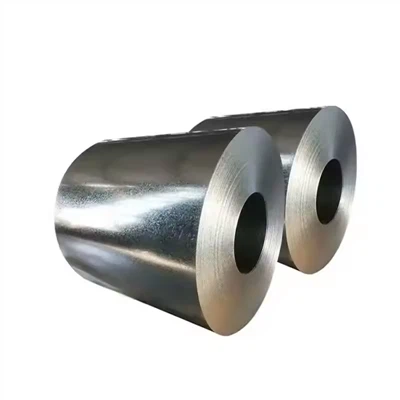
As a supplier of PPGI Corrugated Sheets, I've witnessed firsthand the impact of sheet weight on installation processes. The weight of PPGI Corrugated Sheets is a crucial factor that significantly influences various aspects of installation, from handling to structural requirements. In this blog, I'll delve into how the weight of these sheets affects their installation and why it's essential for contractors and project managers to consider this factor.
Handling and Transportation
The weight of PPGI Corrugated Sheets plays a vital role in their handling and transportation. Heavier sheets require more manpower and specialized equipment for lifting and moving. For instance, if you're dealing with a large - scale roofing project, transporting and maneuvering heavy sheets across the construction site can be a logistical challenge.
When it comes to transportation, heavier sheets may require larger trucks and more fuel to move from the warehouse to the project site. This not only increases the transportation cost but also has an environmental impact. On the other hand, lighter sheets are easier to handle and can be transported more efficiently. They can be loaded and unloaded with less effort, reducing the risk of injuries to workers.
Moreover, during the installation process, handling heavy sheets can be physically demanding. Workers need to be trained to use proper lifting techniques to avoid back injuries. In contrast, lighter PPGI Corrugated Sheets can be installed more quickly and with less physical strain on the workers.
Structural Requirements
The weight of PPGI Corrugated Sheets also affects the structural requirements of the building. Heavier sheets exert more pressure on the underlying structure, such as the roof trusses or support beams. Therefore, the building's structure must be designed to withstand the additional load.
For example, in a residential building, if you choose heavy PPGI Corrugated Sheets for the roof, the roof trusses need to be stronger and more robust. This may require additional materials and engineering calculations to ensure the structural integrity of the building. On the contrary, lighter sheets put less stress on the structure, allowing for a more cost - effective and simpler design.
In commercial buildings, where large areas need to be covered with PPGI Corrugated Sheets, the weight factor becomes even more critical. The foundation and the entire structural framework need to be carefully designed to support the weight of the sheets. If the weight is miscalculated, it can lead to structural failures, which can be dangerous and costly to repair.
Installation Time
The weight of the sheets can significantly impact the installation time. Heavier sheets take longer to install because they are more difficult to handle and position. Workers need to be more cautious when lifting and placing heavy sheets to avoid damage and ensure proper alignment.
In addition, the installation of heavy sheets may require more breaks for workers due to the physical exertion involved. This can slow down the overall installation process. Lighter sheets, however, can be installed more rapidly. They can be easily moved into position, and the installation process can be completed in a shorter time frame. This is especially important for projects with tight deadlines.
Cost Considerations
Cost is another aspect affected by the weight of PPGI Corrugated Sheets. Heavier sheets generally cost more due to the additional materials used. Moreover, as mentioned earlier, the transportation and installation costs are higher for heavy sheets. The need for stronger structural support also adds to the overall cost of the project.
Lighter sheets, on the other hand, are more cost - effective in terms of transportation, installation, and structural requirements. They can help reduce the overall project cost, making them an attractive option for budget - conscious clients.
Types of PPGI Corrugated Sheets and Their Weights
There are different types of PPGI Corrugated Sheet available in the market, each with its own weight characteristics. For example, Corrugated PPGI Steel Sheet may have a different weight compared to Pre - painted Metal Roofing Sheet. The thickness of the sheet, the type of coating, and the manufacturing process all contribute to the weight.
When selecting the right PPGI Corrugated Sheet for a project, it's important to consider the specific requirements of the project and the weight implications. For a small - scale residential project, a lighter sheet may be sufficient, while a large - scale industrial building may require a heavier and more durable sheet.
Conclusion
In conclusion, the weight of PPGI Corrugated Sheets has a profound impact on their installation. It affects handling, transportation, structural requirements, installation time, and cost. As a supplier, I always recommend that my clients carefully consider the weight of the sheets based on their project needs.
If you're planning a roofing project and need more information about PPGI Corrugated Sheets, I'm here to help. Whether you're looking for a lighter, more cost - effective option or a heavier, more durable sheet, we have a wide range of products to meet your requirements. Feel free to reach out to discuss your project and get a customized solution.


References
- "Roofing Materials Handbook" by John Doe
- "Structural Design for Metal Roofing" by Jane Smith