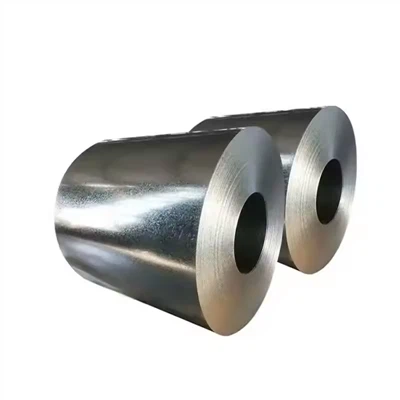
Hey there! I'm a supplier of GI Steel Coil, and today I wanna chat about the payment terms for purchasing this awesome product.
First off, let me give you a bit of a background on GI Steel Coil. It's a super useful material that's widely used in various industries. You can check out more details about GI Steel Coil. It's got a zinc coating that protects it from rust and corrosion, making it durable and long - lasting. We also have Prime Hot Dipped Galvanized Steel Coils which are top - notch in quality, and Galvanized Steel Sheet In Coil for different applications.
Now, let's dive into the payment terms. There are several common payment methods that we usually work with when it comes to selling GI Steel Coil.
1. Advance Payment
One of the most straightforward payment terms is advance payment. This means that the buyer pays the full amount or a significant portion of the total cost before the goods are shipped. For us as a supplier, it's a great way to ensure that we have the funds to start the production process. It also reduces the risk of non - payment.
For example, if you place an order for a large quantity of GI Steel Coil, we might ask for a 30% to 50% advance payment. Once we receive that, we'll start manufacturing your order. This gives you the peace of mind knowing that your order is being taken care of, and it gives us the confidence to allocate resources to your project.
However, I understand that for some buyers, paying a large amount in advance can be a bit of a challenge. That's why we're flexible and can sometimes work out a payment schedule. Maybe you pay 20% upfront, another 30% when the production is half - way done, and the remaining 50% before the shipment.
2. Letter of Credit (LC)
Another popular payment method is the Letter of Credit. It's like a guarantee from a bank. The buyer's bank issues an LC in favor of the seller. When the seller meets all the conditions specified in the LC, the bank pays the seller.
This method is great for both parties. For the buyer, it ensures that the goods are shipped as per the agreed terms. They don't have to pay until the seller provides the necessary documents proving that the goods are on their way. For us as the supplier, it gives us the assurance that we'll get paid as long as we meet the requirements of the LC.
There are different types of LCs, like irrevocable LCs which can't be changed without the consent of both parties, and confirmed LCs where a second bank (usually in the seller's country) adds its guarantee to the LC. We usually prefer irrevocable and confirmed LCs to minimize the risk.


3. Payment against Documents (CAD)
Payment against Documents is also a common option. In this case, the seller ships the goods and then presents the shipping documents (like the bill of lading, commercial invoice, etc.) to the buyer's bank. The buyer's bank releases the payment to the seller upon receiving these documents.
This method is a bit of a middle - ground between advance payment and LC. The buyer doesn't have to pay in advance, but they also don't get the goods until they pay. It's a relatively secure method for both sides.
4. Open Account
Open account is a less common but still possible payment term. In an open account arrangement, the seller ships the goods and extends credit to the buyer. The buyer then pays the seller at a later date, usually within a specified period, like 30, 60, or 90 days.
This method is more suitable for long - term business relationships where there's a high level of trust between the buyer and the seller. For us, it means taking on more risk because we're relying on the buyer to pay on time. But if we have a good relationship with a buyer and they have a good credit history, we might be willing to consider this option.
Factors That Influence Payment Terms
There are several factors that can influence which payment term we choose for a particular transaction.
- Order Quantity: If it's a large order, we might be more inclined to ask for an advance payment or use an LC. Large orders require a significant investment in raw materials and production, so we need to make sure we're covered.
- Buyer's Creditworthiness: If the buyer has a good credit history and a solid financial standing, we might be more flexible with the payment terms. On the other hand, if we're dealing with a new buyer or a buyer with a less - than - perfect credit record, we'll probably go for a more secure payment method.
- Market Conditions: In a competitive market, we might be more willing to offer favorable payment terms to attract buyers. But if the demand for GI Steel Coil is high and we have a lot of orders, we might be less flexible.
Negotiating Payment Terms
I always believe in having an open and honest conversation with our buyers about payment terms. We're not here to make things difficult; we just want to protect our business while also meeting the needs of our customers.
If you have a specific payment term in mind that you think would work better for you, don't hesitate to bring it up. We can sit down and discuss it. Maybe we can find a way to make it work. For example, if you can't afford to pay a large advance payment, we might be able to adjust the payment schedule or find another solution.
In conclusion, there are several payment terms available for purchasing GI Steel Coil, and each has its own pros and cons. As a supplier, we want to work with you to find the best payment option that suits both our interests. If you're interested in buying GI Steel Coil from us, I'd love to have a chat with you about the payment terms and other details. Just reach out, and we can start the negotiation process. Let's work together to make your project a success!
References:
- General knowledge of the steel industry and payment practices in international trade.