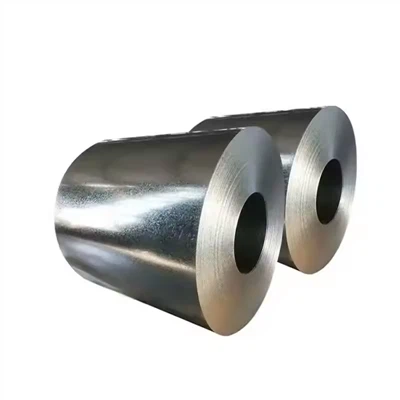
Galvalume steel coil is a popular choice in various industries due to its excellent corrosion resistance and durability. As a galvalume steel coil supplier, I often get asked about the maximum temperature this type of steel coil can withstand. In this blog post, I'll dive into this topic and share some insights with you.
Understanding Galvalume Steel Coil
Before we talk about the maximum temperature, let's quickly go over what galvalume steel coil is. Galvalume is a type of coated steel that consists of a zinc - aluminum alloy coating on a steel substrate. The typical composition of the coating is about 55% aluminum, 43.4% zinc, and 1.6% silicon. This unique coating provides better corrosion resistance compared to traditional galvanized steel, and it also has good heat reflectivity.


There are different standards and types of galvalume steel coils available in the market. For instance, the ASTM A792 Galvalume Steel Coil which meets specific quality and performance requirements set by ASTM (American Society for Testing and Materials). Another type is the Aluzinc Steel Coil, which has similar properties to galvalume but might have some minor differences in composition. And the AZ150 Galvalume Steel Coil is known for its specific coating weight and performance.
Factors Affecting the Maximum Temperature
The maximum temperature that galvalume steel coil can withstand is influenced by several factors. First and foremost is the composition of the coating. The ratio of aluminum, zinc, and silicon in the alloy coating can affect its thermal stability. A higher aluminum content generally provides better heat resistance as aluminum has a relatively high melting point.
Another factor is the thickness of the coating. A thicker coating can provide more protection to the steel substrate at high temperatures. If the coating is too thin, it might start to degrade more quickly when exposed to heat, leading to less effective protection for the underlying steel.
The duration of exposure to high temperatures also matters. Galvalume steel coil can tolerate short - term exposure to higher temperatures better than long - term exposure. For example, it might be able to handle a short spike in temperature without significant damage, but continuous exposure to high heat can cause the coating to break down over time.
Maximum Temperature Range
Under normal conditions, galvalume steel coil can withstand continuous use at temperatures up to about 315°C (600°F). At this temperature range, the zinc - aluminum coating remains relatively stable and continues to protect the steel substrate from corrosion. However, the coating's performance can start to decline gradually as the temperature approaches this limit.
When the temperature exceeds 315°C (600°F), the zinc in the coating begins to vaporize, and the aluminum starts to oxidize more rapidly. This can lead to a loss of the protective properties of the coating, and the steel substrate becomes more vulnerable to corrosion and other forms of damage.
For short - term exposure, galvalume steel coil can handle temperatures up to around 540°C (1000°F). But it's important to note that this is only for brief periods. Even a short exposure to temperatures above 315°C (600°F) can cause some degree of damage to the coating, which might reduce its long - term effectiveness.
Applications and Temperature Considerations
Galvalume steel coil is used in a wide range of applications, and temperature is a crucial factor in determining its suitability for each application.
In roofing applications, the temperature experienced by the steel coil is usually well within its limits. Roofs are exposed to sunlight, and the temperature can rise, but it rarely reaches the critical level where the coating is severely affected. Galvalume steel's good heat reflectivity also helps to keep the temperature down, reducing the stress on the coating.
In industrial applications such as heating systems or exhaust ducts, the temperature can be much higher. If the temperature in these applications is expected to be close to or above the maximum continuous use temperature of 315°C (600°F), alternative materials or additional heat - resistant coatings might be needed to protect the galvalume steel coil.
Choosing the Right Galvalume Steel Coil
As a galvalume steel coil supplier, I understand that choosing the right product for your specific needs is crucial. Consider the temperature requirements of your application. If you need a steel coil that will be exposed to relatively high temperatures, look for coils with a thicker coating or a composition that offers better heat resistance.
It's also important to work with a reliable Galvalume Steel Coil Suppliers. A good supplier can provide you with detailed information about the products, including their temperature resistance, and help you select the best option for your project.
Conclusion
In conclusion, galvalume steel coil is a great material with excellent corrosion resistance and some degree of heat resistance. The maximum continuous use temperature is around 315°C (600°F), and it can handle short - term exposure up to about 540°C (1000°F). However, it's essential to consider the specific temperature requirements of your application and choose the right type of galvalume steel coil accordingly.
If you're in the market for galvalume steel coil and have questions about its temperature resistance or any other properties, don't hesitate to reach out. We're here to assist you in finding the best solution for your needs and guiding you through the purchasing process. Feel free to start a conversation with us about your project requirements, and let's work together to get the right galvalume steel coil for you.
References
- ASTM International. "Standard Specification for Steel Sheet, Zinc - 5% Aluminum - Mischmetal - Coated by the Hot - Dip Process." ASTM A792.
- Industry research reports on the properties and applications of galvalume steel coil.