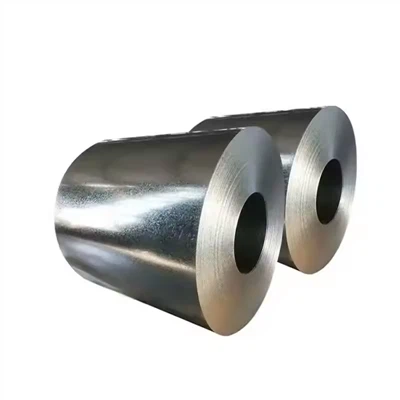
GI steel coil, also known as galvanized iron steel coil, is a widely used material in various industries due to its excellent corrosion resistance and durability. As a supplier of GI steel coil, I often receive inquiries about the maximum temperature that this material can withstand. In this blog post, I will delve into this topic and provide you with a comprehensive understanding of the temperature limits of GI steel coil.


Understanding GI Steel Coil
Before we discuss the maximum temperature, it's essential to understand what GI steel coil is. GI steel coil is made by coating a steel substrate with a layer of zinc through a hot-dip galvanizing process. This zinc coating acts as a sacrificial anode, protecting the underlying steel from corrosion. The zinc layer not only provides a barrier against moisture and oxygen but also offers cathodic protection, which means it will corrode first to protect the steel.
Factors Affecting the Temperature Resistance of GI Steel Coil
Several factors influence the maximum temperature that GI steel coil can withstand. These include the thickness of the zinc coating, the type of steel substrate, and the duration of exposure to high temperatures.
- Zinc Coating Thickness: The thickness of the zinc coating plays a crucial role in determining the temperature resistance of GI steel coil. A thicker zinc coating provides better protection against high temperatures. As the temperature increases, the zinc coating begins to oxidize, and a thicker coating can withstand this oxidation process for a longer time.
- Steel Substrate Type: The type of steel substrate also affects the temperature resistance. Different grades of steel have different thermal properties. For example, high-strength steels may have better heat resistance compared to low-carbon steels.
- Duration of Exposure: The length of time the GI steel coil is exposed to high temperatures is another important factor. Short-term exposure to high temperatures may not cause significant damage, but prolonged exposure can lead to the degradation of the zinc coating and the underlying steel.
Maximum Temperature Limits
The maximum temperature that GI steel coil can withstand depends on the specific application and the factors mentioned above. Generally, GI steel coil can withstand temperatures up to around 200°C (392°F) without significant damage to the zinc coating. At this temperature, the zinc coating starts to oxidize slowly, but it still provides some protection to the steel.
However, when the temperature exceeds 200°C, the oxidation rate of the zinc coating increases significantly. At around 300°C (572°F), the zinc coating begins to melt, and the protection it provides to the steel is greatly reduced. Above 400°C (752°F), the zinc coating will completely melt, and the steel will be exposed to the environment, leading to rapid corrosion.
It's important to note that these temperature limits are general guidelines, and the actual performance of GI steel coil may vary depending on the specific conditions. For example, if the GI steel coil is exposed to high temperatures in a corrosive environment, the temperature resistance may be lower.
Applications and Temperature Considerations
In different applications, the temperature requirements for GI steel coil vary. Here are some common applications and the corresponding temperature considerations:
- Building and Construction: In building and construction, GI steel coil is often used for roofing, wall cladding, and structural components. In most cases, the temperature in these applications does not exceed 200°C. However, in areas with high solar radiation or near heat sources, the temperature may rise. It's important to ensure that the GI steel coil used in these applications has a sufficient zinc coating thickness to withstand the expected temperatures.
- Automotive Industry: In the automotive industry, GI steel coil is used for various parts, such as body panels and chassis components. These parts may be exposed to high temperatures during the manufacturing process, such as welding and painting. The temperature during these processes can reach several hundred degrees Celsius. Therefore, special heat-resistant coatings or treatments may be required to ensure the performance of the GI steel coil.
- Industrial Equipment: In industrial equipment, GI steel coil is used for components that are exposed to high temperatures, such as boilers, furnaces, and heat exchangers. In these applications, the temperature can be much higher than 200°C. Special high-temperature-resistant materials or coatings may be needed to protect the GI steel coil.
Conclusion
In conclusion, the maximum temperature that GI steel coil can withstand is around 200°C, but this can vary depending on the zinc coating thickness, steel substrate type, and duration of exposure. When using GI steel coil in applications where high temperatures are expected, it's important to consider these factors and choose the appropriate material and coating.
As a supplier of Prime Hot Dipped Galvanized Steel Coils, Galvanized Steel Sheet In Coil, and GI Steel Coil, we can provide you with high-quality products that meet your specific temperature requirements. If you have any questions or need further information, please feel free to contact us for a detailed discussion about your procurement needs.
References
- ASTM A653/A653M - Standard Specification for Steel Sheet, Zinc-Coated (Galvanized) or Zinc-Iron Alloy-Coated (Galvannealed) by the Hot-Dip Process
- EN 10346 - Continuously hot-dip coated steel flat products - Technical delivery conditions