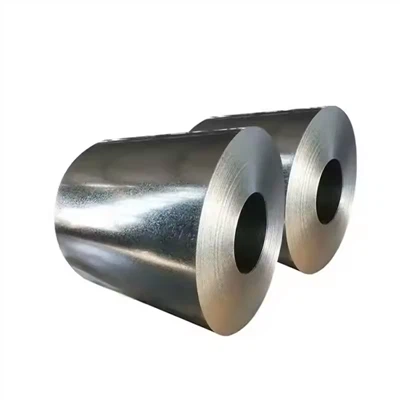
As a supplier of PPGL Steel Plate, I've witnessed firsthand how the storage environment can significantly impact the quality of these products. PPGL Steel Plate, also known as Pre - painted Galvalume Steel Plate, is a popular choice in various industries due to its durability, aesthetic appeal, and corrosion resistance. However, improper storage can lead to a range of issues that compromise its quality and performance.
Temperature
Temperature is one of the most critical factors in storing PPGL Steel Plate. Extreme temperatures can cause physical and chemical changes in the steel and its coating.
In high - temperature environments, the coating on the PPGL Steel Plate may start to soften or degrade. The paint layer is designed to withstand a certain temperature range, and when exceeded, it can lose its adhesion to the steel substrate. This can result in blistering, peeling, or cracking of the paint, which not only affects the appearance but also exposes the underlying steel to potential corrosion. For instance, if the storage warehouse experiences long - term high temperatures, say above 60°C, the organic coating on the PPGL Steel Plate may begin to break down.


On the other hand, low - temperature conditions can make the steel more brittle. Steel is a crystalline material, and at low temperatures, the crystal structure can change, reducing its ductility. This means that the plate becomes more prone to cracking when subjected to mechanical stress. For example, if the storage area is not adequately heated during winter and the temperature drops below - 20°C, there is a high risk of the PPGL Steel Plate becoming brittle. As a result, during handling or transportation, the plate may crack, rendering it unusable for many applications.
Humidity
Humidity is another significant factor in the storage environment. High humidity levels can accelerate the corrosion process of the steel. Even though PPGL Steel Plate has a protective coating, long - term exposure to high humidity can penetrate the coating and reach the steel surface.
When the relative humidity in the storage area exceeds 60%, water vapor can condense on the surface of the steel plate. This thin layer of water acts as an electrolyte, facilitating the electrochemical reactions that cause corrosion. If there are any scratches or imperfections in the coating, the water can easily reach the bare steel, starting the rusting process. For example, in coastal areas where the air is often humid, improper storage of PPGL Steel Plate can lead to rapid corrosion, especially if the plates are not stored in a well - ventilated and moisture - controlled environment.
In addition to corrosion, high humidity can also cause the growth of mold and mildew on the surface of the PPGL Steel Plate. Mold can not only damage the appearance of the plate but also weaken the coating over time. It can seep into the pores of the paint, causing it to discolor and deteriorate.
Ventilation
Proper ventilation is essential for storing PPGL Steel Plate. Good ventilation helps to control temperature and humidity levels in the storage area. It allows for the circulation of air, preventing the buildup of heat, moisture, and potentially harmful gases.
In a poorly ventilated storage space, heat can accumulate, leading to the high - temperature issues mentioned earlier. Moreover, stagnant air can trap moisture, increasing the humidity and promoting corrosion. For example, if a warehouse has blocked vents or insufficient air circulation systems, the air near the steel plates can become saturated with moisture, creating an ideal environment for rust and mold growth.
Ventilation also helps to remove any volatile organic compounds (VOCs) that may be emitted from the coating. Some coatings on PPGL Steel Plate may release VOCs during the curing process or over time. If these VOCs are not properly ventilated, they can react with the coating or the steel, causing discoloration or degradation.
Contamination
The storage environment can also be a source of contamination for PPGL Steel Plate. Dust, dirt, and other particulate matter can settle on the surface of the plates. These contaminants can scratch the coating during handling or transportation, exposing the steel to corrosion.
Chemical contaminants are even more dangerous. For example, if the storage area is near a chemical factory or a place where chemicals are frequently used, fumes or spills from these chemicals can react with the coating on the PPGL Steel Plate. Acidic or alkaline substances can cause the coating to dissolve or change its properties, leading to corrosion and other quality issues.
In addition to external contaminants, improper handling during storage can also cause internal contamination. For instance, if different types of steel plates are stored together without proper separation, there may be a risk of galvanic corrosion if the metals have different electrochemical potentials.
Lighting
Although not as commonly recognized as temperature, humidity, ventilation, or contamination, lighting can also have an impact on the quality of PPGL Steel Plate. Ultraviolet (UV) light from sunlight or certain artificial light sources can degrade the coating on the plate.
The organic coatings on PPGL Steel Plate are sensitive to UV radiation. Prolonged exposure to UV light can cause the paint to fade, become brittle, and lose its gloss. This not only affects the aesthetic appeal of the plate but can also reduce its protective properties. For example, if the storage area has large windows that allow direct sunlight to shine on the steel plates for extended periods, the coating may start to show signs of degradation within a few months.
Tips for Optimal Storage
To ensure the quality of PPGL Steel Plate during storage, here are some practical tips:
- Temperature control: Maintain the storage temperature within the recommended range of - 20°C to 60°C. Use heating or cooling systems in the warehouse if necessary.
- Humidity control: Keep the relative humidity below 60%. Dehumidifiers can be installed in the storage area, especially in humid climates.
- Ventilation improvement: Ensure proper ventilation in the warehouse by installing fans, vents, or air circulation systems.
- Contamination prevention: Keep the storage area clean and free from dust, dirt, and chemicals. Store the plates separately from other materials and use protective coverings if possible.
- Lighting management: Avoid direct exposure to sunlight or UV - rich artificial light. Use curtains or blinds to block sunlight and choose low - UV lighting if necessary.
Conclusion
As a PPGL Steel Plate supplier, I understand the importance of proper storage for maintaining product quality. The storage environment, including temperature, humidity, ventilation, contamination, and lighting, can have a profound impact on the performance and appearance of PPGL Steel Plate. By following the tips mentioned above, you can minimize the risks associated with improper storage and ensure that the PPGL Steel Plate remains in excellent condition until it is ready for use.
If you are interested in purchasing PPGL Steel Plate, PPGI Steel Plate, or Pre Painted Galvalume Sheet, feel free to contact me for more information and to discuss your specific requirements. We are committed to providing high - quality products and excellent service to meet your needs.
References
- Hucks, R. et al. "Corrosion of Metallic Materials". Wiley - VCH Verlag GmbH & Co. KGaA, 2016.
- Uhlig, H. H., & Revie, R. W. "Corrosion and Corrosion Control: An Introduction to Corrosion Science and Engineering". Wiley, 2019.
- Campbell, J. "The Complete Casting Handbook: Metal Casting Processes, Techniques, and Design". Elsevier, 2017.