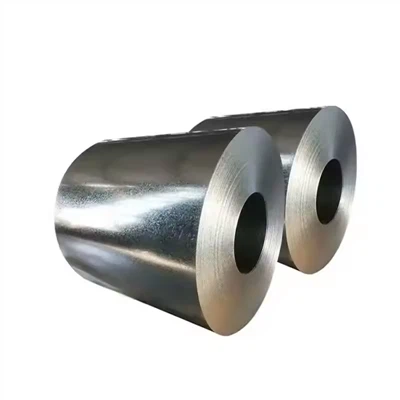
Sunlight is a powerful natural force that has a profound impact on various materials, including color coated steel plates. As a supplier of color coated steel plates, I've witnessed firsthand how sunlight can affect the appearance, durability, and performance of these products. In this blog post, I'll explore the ways in which sunlight interacts with color coated steel plates and discuss the implications for our customers.
How Sunlight Affects Color Coated Steel Plate
1. Color Fading
One of the most noticeable effects of sunlight on color coated steel plates is color fading. Sunlight contains ultraviolet (UV) rays, which can break down the chemical bonds in the paint or coating on the steel plate. Over time, this can cause the color of the coating to fade, resulting in a less vibrant and less appealing appearance.
The rate of color fading depends on several factors, including the quality of the coating, the intensity of the sunlight, and the duration of exposure. High - quality coatings are typically formulated with UV stabilizers that can help to protect the color from fading. However, even the best coatings will eventually fade over time, especially in areas with high levels of sunlight.
2. Surface Degradation
In addition to color fading, sunlight can also cause surface degradation of color coated steel plates. UV rays can cause the coating to become brittle and crack, which can expose the underlying steel to corrosion. This is particularly problematic in outdoor applications where the steel plate is constantly exposed to the elements.
The surface degradation can also lead to a reduction in the mechanical properties of the steel plate. For example, the coating may lose its adhesion to the steel, which can cause it to peel or flake off. This not only affects the appearance of the steel plate but also its durability and performance.


3. Thermal Expansion and Contraction
Sunlight can also cause thermal expansion and contraction of color coated steel plates. When the steel plate is exposed to sunlight, it absorbs heat, which causes it to expand. When the sunlight is no longer present, the steel plate cools down and contracts. This repeated cycle of expansion and contraction can put stress on the coating and the steel plate itself.
Over time, this stress can cause the coating to crack or delaminate from the steel. It can also lead to warping or distortion of the steel plate, which can affect its fit and performance in various applications.
Impact on Different Types of Color Coated Steel Plates
Pre Painted Galvalume Sheet
Pre Painted Galvalume Sheet is a popular type of color coated steel plate that is known for its excellent corrosion resistance and durability. The galvalume coating provides a barrier against moisture and oxygen, which helps to protect the steel from rusting.
However, sunlight can still have an impact on the pre - painted galvalume sheet. The UV rays can cause the paint coating to fade and degrade over time, especially if the sheet is exposed to direct sunlight for long periods. To minimize the effects of sunlight, it's important to choose a high - quality paint coating with good UV resistance.
PPGL Steel Plate
PPGL Steel Plate is another type of color coated steel plate that is widely used in various applications. PPGL stands for Pre - Painted Galvanized and Galvalume, which means that the steel plate has a zinc - aluminum alloy coating and a paint coating.
The combination of the zinc - aluminum alloy coating and the paint coating provides good protection against corrosion. However, like other color coated steel plates, PPGL steel plates are also susceptible to the effects of sunlight. The paint coating can fade and degrade over time, and the thermal expansion and contraction caused by sunlight can lead to cracking and delamination.
PPGI Steel Plate
PPGI Steel Plate is a pre - painted galvanized iron steel plate. The galvanized coating provides a layer of protection against corrosion, while the paint coating adds color and additional protection.
Sunlight can cause the paint coating on PPGI steel plates to fade and crack, which can reduce its aesthetic appeal and durability. It's important to choose a PPGI steel plate with a high - quality paint coating that is resistant to UV rays to minimize the effects of sunlight.
Mitigating the Effects of Sunlight
As a supplier of color coated steel plates, we offer several solutions to mitigate the effects of sunlight on our products.
High - Quality Coatings
We use high - quality paint coatings that are formulated with UV stabilizers to protect the color from fading. These coatings are designed to withstand the harsh effects of sunlight and provide long - lasting protection for the steel plate.
Coating Thickness
The thickness of the coating can also affect its resistance to sunlight. A thicker coating provides more protection against UV rays and can help to prevent color fading and surface degradation. We offer color coated steel plates with different coating thicknesses to meet the specific needs of our customers.
Protective Films
In some cases, we may recommend the use of protective films on the color coated steel plates. These films can provide an additional layer of protection against sunlight and other environmental factors. The films can be easily removed when the steel plate is installed, leaving the coating in good condition.
Conclusion
Sunlight has a significant impact on color coated steel plates, including color fading, surface degradation, and thermal expansion and contraction. As a supplier of color coated steel plates, we understand the importance of providing our customers with products that can withstand the effects of sunlight.
By using high - quality coatings, controlling the coating thickness, and offering protective films, we can help our customers to ensure that their color coated steel plates maintain their appearance and performance over time.
If you're interested in purchasing color coated steel plates and want to learn more about how we can help you mitigate the effects of sunlight, please feel free to contact us for a detailed discussion and procurement negotiation. We're committed to providing you with the best products and solutions to meet your needs.
References
- ASTM International. "Standard Practice for Evaluating the Degree of Fading of Coatings." ASTM D1729 - 15.
- ISO 11341:2020. "Paints and varnishes - Artificial weathering and exposure to natural weathering - Exposure of specimens to filter - daylight and direct natural weathering."