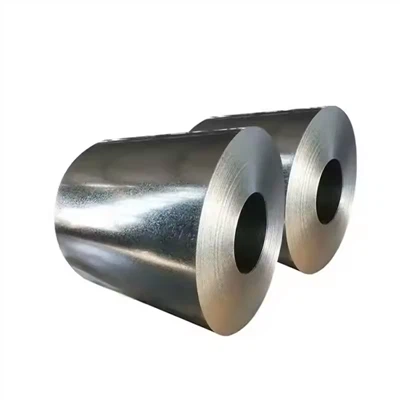
Hey there! As a steel plate supplier, I often get asked if steel plates can be used in high-temperature environments. Well, let's dive right into this topic and figure it all out.
First off, steel is a pretty amazing material. It's strong, durable, and can be molded into various shapes to fit different needs. But when it comes to high temperatures, things get a bit more complicated.
The ability of steel plates to withstand high temperatures depends on several factors. One of the most important ones is the type of steel. There are different grades of steel, and each has its own temperature resistance. For example, some carbon steels start to lose their strength at relatively low temperatures, around 400 - 500 degrees Celsius. As the temperature rises, the steel becomes softer, and its mechanical properties change. This can be a big problem in high-temperature applications where strength is crucial.
On the other hand, there are specialty steels that are designed to handle high temperatures. Stainless steels, particularly those with high chromium and nickel content, can resist oxidation and maintain their strength at much higher temperatures. Some stainless steels can withstand temperatures up to 1000 degrees Celsius or more. These steels are often used in applications like heat exchangers, furnaces, and turbine components.
Another factor is the duration of exposure to high temperatures. Short-term exposure to high temperatures might not cause as much damage as long-term exposure. For instance, if a steel plate is only subjected to high temperatures for a few minutes during a manufacturing process, it might be able to withstand the heat without significant degradation. However, continuous exposure to high temperatures over an extended period can lead to creep, which is the slow deformation of the steel over time.
The environment in which the steel plate is used also plays a role. In an oxidizing environment, the steel can react with oxygen in the air to form rust or scale. This not only weakens the steel but can also affect its appearance. In reducing environments or in the presence of certain chemicals, the steel can also experience corrosion, which can further compromise its integrity.
Now, let's talk about some of the products we offer. We have a wide range of steel plates, including PPGI Steel Plate. This type of steel plate is coated with a layer of zinc, which provides some protection against corrosion. However, in high-temperature environments, the zinc coating can start to degrade. If the temperature gets too high, the zinc might vaporize or react with other substances in the environment, reducing its protective properties.


Our Flat Rolled Steel Sheet is another popular product. It has a smooth surface and is commonly used in construction and fabrication. But again, depending on the grade of steel, it might have limitations in high-temperature applications. If you're looking for a flat-rolled steel sheet for a high-temperature project, make sure to choose a grade that can handle the heat.
Galvanized Corrugated Roofing is great for roofing applications. The corrugated shape provides extra strength, and the galvanized coating protects against rust. However, in areas where the roof is exposed to direct sunlight for long periods or near high-temperature sources (like industrial furnaces), the zinc coating can wear out faster.
PPGL Steel Plate is similar to PPGI but with a different coating. It offers good aesthetic appeal and some resistance to the elements. But in high-temperature environments, the color coating and the base steel need to be carefully considered to ensure they can handle the heat without peeling or blistering.
Galvalume Corrugated Metal Roof Panels have a unique coating that combines zinc and aluminum. This coating provides better heat reflectivity and corrosion resistance compared to traditional galvanized coatings. But even these panels have their limits in extremely high-temperature situations.
So, can steel plates be used in high-temperature environments? The answer is yes, but with some caveats. You need to choose the right type of steel, consider the duration and intensity of the high-temperature exposure, and the surrounding environment. It's always a good idea to consult with a professional or us, as a steel plate supplier, to determine the best solution for your specific application.
If you're in the market for steel plates for a high-temperature project or any other application, we'd love to talk to you. We have the expertise and the products to meet your needs. Whether you need a small quantity for a DIY project or a large order for a commercial construction, we're here to help. Just reach out, and we can start discussing the best options for you.
References:
- Some basic steel material science textbooks that cover the properties of different steel grades and their behavior under high temperatures.
- Industry reports on the use of steel in high-temperature applications.