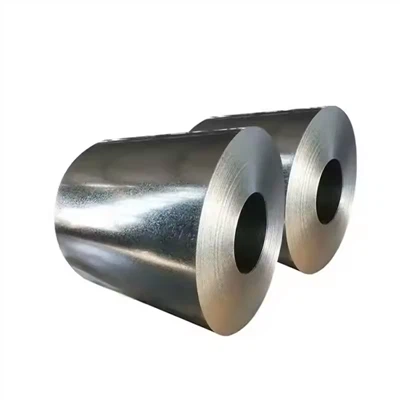
As a steel coil supplier, ensuring the safe transportation of our products is of paramount importance. Steel coils are heavy, bulky, and can be quite fragile if not handled correctly. One small mistake during transportation can lead to significant damage, which not only affects the quality of the product but also incurs additional costs and time delays. In this blog, I will share some key points on how to transport steel coils safely.
Pre - transportation Preparation
Inspection of the Coils
Before transporting, a thorough inspection of the steel coils is essential. Check for any visible defects such as surface scratches, dents, or rust. For different types of steel coils like Prepainted Galvanized Steel, Color Coated Galvalume Sheet Coil, PPGL Steel Coil, and Painted Sheet Metal Coils, the surface coating needs special attention. Any damage to the coating can expose the underlying metal to corrosion during transit.
Packaging
Proper packaging is the first line of defense for steel coils during transportation. We use high - quality materials for packaging. Anti - rust paper is often wrapped around the coils to prevent rusting due to moisture. Additionally, wooden or metal frames are used to provide structural support. For larger or heavier coils, custom - made packaging solutions may be required to ensure that the coils are well - protected from impacts and vibrations.


Securing the Coils
Once the coils are packaged, they need to be securely fastened. We use straps or ropes to fix the coils firmly in place. The tension of the straps should be adjusted carefully to prevent the coils from shifting during transit. For vertical transportation, the coils should be stacked in a stable manner, and each layer should be separated by spacers to avoid rubbing against each other.
Selection of Transportation Mode
Road Transportation
Road transportation is a common choice for short - to medium - distance delivery of steel coils. When choosing trucks, we need to consider the payload capacity and the type of trailer. Flatbed trailers are often used for steel coil transportation as they provide a large and stable surface for loading. However, the truck should be equipped with proper tie - down points to securely fasten the coils. The driver should also be experienced in handling heavy and bulky loads, and follow all traffic regulations to ensure a smooth journey.
Rail Transportation
For long - distance transportation within a country or a region, rail transportation can be a more cost - effective and efficient option. Railcars are designed to carry heavy loads, and they are less affected by traffic congestion compared to trucks. However, the loading and unloading process of steel coils on railcars requires special equipment such as cranes. The coils need to be placed in the railcars in a balanced way to prevent derailment and ensure the safety of the entire train.
Sea Transportation
When exporting steel coils, sea transportation is usually the preferred mode. Shipping containers are commonly used for smaller steel coils, while larger coils may be transported on bulk carriers. For container shipping, the coils should be properly secured inside the container to prevent movement during the rough sea journey. On bulk carriers, the coils need to be stowed in a way that maximizes the use of space while ensuring stability. The ship's crew should also monitor the cargo regularly to check for any signs of shifting or damage.
In - transit Monitoring
Temperature and Humidity Control
Steel coils are sensitive to temperature and humidity changes. High humidity can cause rusting, while extreme temperature variations can lead to expansion and contraction, potentially damaging the coils. During transportation, especially in enclosed spaces like containers or warehouses, it is important to monitor and control the temperature and humidity levels. We can use humidity - absorbing materials and temperature - regulating devices to maintain a stable environment for the coils.
Vibration Monitoring
Vibration during transportation can cause the coils to move and collide with each other or the transportation equipment. To prevent this, vibration sensors can be installed on the trucks, railcars, or ships. These sensors can detect excessive vibration and send alerts to the transportation personnel, who can then take appropriate measures to reduce the vibration, such as adjusting the speed or re - securing the coils.
Unloading and Storage
Safe Unloading
The unloading process of steel coils is also crucial. Specialized equipment such as cranes or forklifts should be used by trained operators. The coils should be lifted and moved slowly and carefully to avoid sudden impacts. When unloading from trucks or railcars, the ground surface should be flat and stable to prevent the coils from rolling or tipping over.
Proper Storage
After unloading, the steel coils need to be stored in a suitable environment. The storage area should be dry, well - ventilated, and protected from the elements. The coils should be stacked on pallets or racks to avoid direct contact with the ground, which can cause rusting. For different types of steel coils, they may need to be stored separately to prevent cross - contamination or damage.
In conclusion, transporting steel coils safely requires a comprehensive approach that includes pre - transportation preparation, careful selection of transportation mode, in - transit monitoring, and proper unloading and storage. By following these steps, we can ensure that our steel coils reach our customers in the best possible condition.
If you are interested in purchasing high - quality steel coils such as Prepainted Galvanized Steel, Color Coated Galvalume Sheet Coil, PPGL Steel Coil, Painted Sheet Metal Coils, or are looking for Galvalume Steel Coil Suppliers, please feel free to contact us for further discussion and negotiation. We are committed to providing you with top - notch products and services.
References
- "Steel Coil Handling and Transportation Guidelines" by the Steel Institute.
- "Best Practices in Shipping Heavy and Bulky Metal Products" in the Journal of Transportation and Logistics.
- "Technical Handbook for Metal Coil Storage and Transportation" published by the International Metal Association.