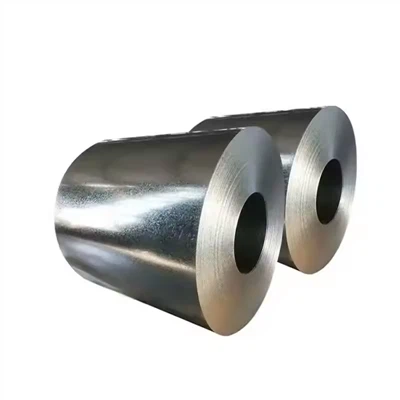
Galvalume steel coil is a metal composite material formed by applying an aluminum-zinc alloy coating to the surface of steel sheets through a continuous hot-dip coating process.It combines excellent corrosion resistance, high-temperature resistance, and processability, and is widely used in construction, home appliances, automotive, and industrial protection. Its core value lies in the synergistic effect of aluminum and zinc, which significantly improves the service life and adaptability of the substrate.
I. Process and Structural Characteristics of Galvalume Steel Coil
Galvalume steel coil is produced using a high-temperature molten coating process. Cold-rolled or hot-rolled steel sheets are immersed in a molten aluminum-zinc alloy bath (typically containing 55% aluminum, 43.4% zinc, and 1.6% silicon) at approximately 600°C. Rapid cooling forms a dense coating. This process creates a metallurgical bond between the coating and the steel substrate, imparting the following properties:
1.Dual-layer protection: Aluminum forms a dense aluminum oxide film (Al₂O₃) on the coating surface, isolating it from corrosive media such as water and oxygen. Zinc protects the steel substrate through an electrochemical sacrificial anodic action, slowing the spread of rust even if the coating is partially damaged.
2.High-temperature stability: Aluminum's high melting point (660°C) ensures the coating retains its color even under extended use below 300°C, making it suitable for high-temperature environments (such as HVAC equipment and chimneys).
3.High reflectivity: The coating's infrared reflectivity can exceed 80%, contributing to energy conservation and cost reduction in buildings.
II. Performance Advantages Compared to Traditional Materials
Compared to traditional galvanized steel coil (GI), galvanized steel coil offers significantly improved corrosion resistance: Under comparable conditions, it can withstand salt spray tests for over 2,000 hours (GI's are approximately 500-800 hours), and outdoor exposure tests show a lifespan that is 3-6 times longer. Furthermore, its processing properties (such as stamping and bending) are comparable to those of ordinary galvanized steel sheets, while offering a smoother surface, making it suitable for high-end decorative purposes.
III. Typical Applications
1.Construction Industry: Used in roofs, curtain walls, ventilation ducts, and other applications, particularly in coastal areas with high salt fog and industrial pollution.
2.Home Appliance Manufacturing: Components such as refrigerator backs and air conditioner housings require fingerprint and scratch resistance. Alu-zinc-coated steel coils can achieve diverse exterior designs through subsequent coating.
3.Industrial Protection: Structural components exposed to the outdoors for extended periods, such as bridge guardrails, storage tanks, and solar panels, rely on its long-term corrosion resistance to reduce maintenance costs.
IV. Development Trends and Challenges
With increasingly stringent environmental regulations, low-energy coating processes (such as chromium-free passivation) have become a research and development focus. At the same time, coatings with high aluminum content (such as 5% Al-Zn alloys) can further improve weather resistance, but this requires a balance between cost and processability. In the future, galvanized steel coils will continue to expand their applications in emerging sectors such as new energy and high-end equipment through innovative coating compositions (such as the addition of magnesium and rare earth elements) and composite processing technologies (such as integrated pre-coating).
Due to its comprehensive performance advantages, galvanized steel coils have become a key choice for modern sheet metal. Its technological advancements will continue to drive related industries towards efficient and sustainable development.