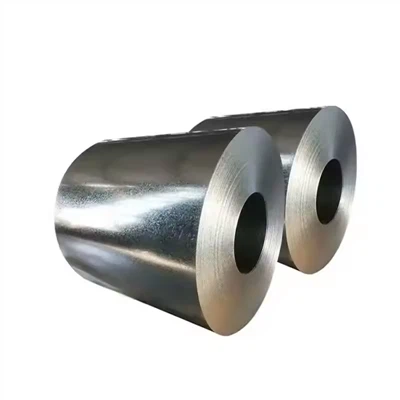
The oil and gas industry is a cornerstone of the global economy, relying on a diverse range of materials to ensure the safe and efficient extraction, processing, and transportation of hydrocarbons. Among these materials, steel plates play a crucial role due to their strength, durability, and versatility. As a trusted steel plate supplier, I am well - versed in the various types of steel plates used in this industry. In this blog, I will explore the different types of steel plates that are essential for the oil and gas sector.
Carbon Steel Plates
Carbon steel plates are one of the most commonly used types in the oil and gas industry. They are composed primarily of iron and carbon, with small amounts of other elements. The carbon content can vary, which affects the plate's strength, hardness, and ductility.
Low - carbon steel plates, also known as mild steel plates, are relatively soft and easy to form. They are often used in applications where formability is a key requirement, such as in the construction of storage tanks. These tanks need to be able to hold large volumes of oil or gas, and the ease of forming low - carbon steel allows for the creation of complex shapes.
Medium - carbon steel plates offer a good balance between strength and ductility. They are suitable for structural components in oil and gas facilities, such as support beams and frames. Their increased strength compared to low - carbon steel makes them more resistant to the stresses and loads experienced in these environments.
High - carbon steel plates are extremely hard and strong. They are used in applications where wear resistance is critical, such as drill bits and cutting tools. In the oil and gas drilling process, these tools need to withstand high - pressure and high - temperature conditions while cutting through hard rock formations.
Alloy Steel Plates
Alloy steel plates are made by adding various alloying elements to carbon steel. These elements can include chromium, nickel, molybdenum, and vanadium, among others. The addition of these elements enhances the plate's properties, making it more suitable for specific applications in the oil and gas industry.
Chromium - molybdenum alloy steel plates are known for their high - temperature strength and corrosion resistance. They are commonly used in the construction of pipelines that transport hot oil or gas over long distances. The high - temperature strength ensures that the pipeline can withstand the heat generated during the transportation process, while the corrosion resistance protects the pipeline from the corrosive effects of the transported fluids.
Nickel - alloy steel plates are highly resistant to corrosion, especially in harsh environments such as offshore oil platforms. Offshore platforms are exposed to saltwater, which is extremely corrosive. Nickel - alloy steel plates can withstand the corrosive effects of saltwater, ensuring the long - term integrity of the platform's structure.
Stainless Steel Plates
Stainless steel plates are a popular choice in the oil and gas industry due to their excellent corrosion resistance. They contain chromium, which forms a passive oxide layer on the surface of the plate, protecting it from corrosion.
Austenitic stainless steel plates are non - magnetic and have good formability and weldability. They are often used in the construction of equipment such as heat exchangers and storage vessels. These vessels need to be able to resist corrosion from the fluids they contain, and austenitic stainless steel provides the necessary protection.
Martensitic stainless steel plates are hard and strong, with good wear resistance. They are used in applications where high strength and wear resistance are required, such as in pumps and valves. These components need to be able to withstand the high - pressure and high - flow conditions in the oil and gas processing facilities.
Coated Steel Plates
Coated steel plates are designed to provide additional protection against corrosion. There are several types of coated steel plates used in the oil and gas industry.
PPGI Steel Plate is a type of pre - painted galvanized iron steel plate. It has a zinc coating on the surface, which provides sacrificial protection against corrosion. The paint coating on top of the zinc layer further enhances the plate's corrosion resistance and gives it an aesthetically pleasing appearance. PPGI steel plates are often used in the construction of oil and gas storage facilities, as they can protect the stored materials from the external environment.
Pre Painted Galvalume Sheet is another type of coated steel plate. It has a zinc - aluminum alloy coating, which offers better corrosion resistance than a traditional zinc coating. The pre - painted layer on the galvalume sheet not only provides additional corrosion protection but also allows for customization of the appearance. These sheets are used in various applications in the oil and gas industry, such as roofing and cladding.
Galvanized Corrugated Roofing is a widely used coated steel product in the oil and gas industry. The corrugated shape provides additional strength and rigidity to the plate, while the zinc coating protects it from corrosion. It is commonly used for roofing structures in oil and gas facilities, as it can withstand harsh weather conditions and provide long - term protection.
Selection of Steel Plates in the Oil and Gas Industry
When selecting steel plates for the oil and gas industry, several factors need to be considered.
First, the operating environment is a crucial factor. For example, in offshore environments, steel plates need to have high corrosion resistance to withstand the saltwater and harsh weather conditions. In onshore facilities, the plates may need to be more resistant to abrasion and wear.
Second, the mechanical properties of the steel plates are important. The strength, ductility, and hardness of the plates need to be suitable for the specific application. For example, drill bits require high - strength and wear - resistant steel plates, while storage tanks need plates with good formability.
Third, cost is also a consideration. While high - performance steel plates may offer better properties, they can also be more expensive. Therefore, a balance needs to be struck between the performance requirements and the cost of the steel plates.


As a steel plate supplier, I understand the importance of providing high - quality steel plates that meet the specific needs of the oil and gas industry. Our company offers a wide range of steel plates, including carbon steel, alloy steel, stainless steel, and coated steel plates. We have a team of experts who can help customers select the most suitable steel plates for their applications.
If you are in the oil and gas industry and are looking for reliable steel plate suppliers, we would be more than happy to discuss your requirements. Our team is ready to provide you with detailed information about our products and services. We can also offer customized solutions based on your specific needs. Contact us today to start a fruitful discussion about your steel plate procurement.
References
- ASME Boiler and Pressure Vessel Code
- API (American Petroleum Institute) Standards
- ASTM (American Society for Testing and Materials) Standards