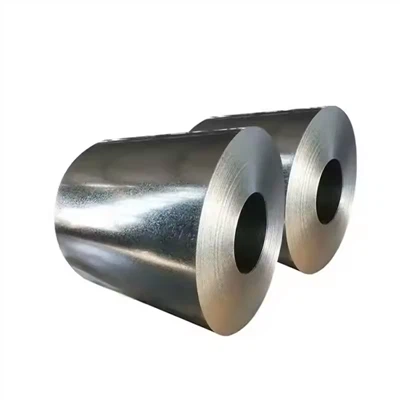
As a supplier of galvanized steel coils, I understand the critical importance of quality control in our industry. Galvanized steel coils are widely used in various sectors, from construction and automotive manufacturing to household appliances. Ensuring high - quality products not only meets customer expectations but also maintains our reputation in the market. In this blog, I will delve into what quality control of galvanized steel coils entails.
Raw Material Inspection
The quality control process of galvanized steel coils starts with the inspection of raw materials. The base steel used for galvanizing must meet specific standards. We carefully examine the chemical composition of the steel. For instance, the carbon content should be within a certain range. Too high a carbon content can make the steel more brittle, which is not suitable for applications where flexibility is required. We also check the presence of other elements such as manganese, sulfur, and phosphorus, as they can affect the mechanical properties of the steel.
In addition to the chemical analysis, we conduct physical inspections of the base steel. This includes checking the surface quality for any cracks, scratches, or other defects. A flawed base steel can lead to problems during the galvanizing process and ultimately affect the quality of the final galvanized steel coil. We use advanced non - destructive testing methods, such as ultrasonic testing and magnetic particle testing, to detect internal and surface defects respectively.
Galvanizing Process Control
The galvanizing process is a crucial step in producing high - quality galvanized steel coils. There are two main types of galvanizing: hot - dip galvanizing and electro - galvanizing. As a supplier, we mainly focus on hot - dip galvanizing due to its superior corrosion resistance.
During hot - dip galvanizing, the temperature of the zinc bath is a critical parameter. If the temperature is too low, the zinc will not adhere properly to the steel surface, resulting in a thin and uneven coating. On the other hand, if the temperature is too high, it can cause excessive zinc consumption and may also affect the mechanical properties of the base steel. We closely monitor and control the temperature of the zinc bath within a narrow range to ensure optimal coating quality.
The immersion time of the steel in the zinc bath also matters. Sufficient immersion time allows for a complete and uniform coating to form on the steel surface. We have established strict time - control procedures based on the thickness and type of the steel being galvanized.
Another important aspect is the purity of the zinc used in the bath. Impurities in the zinc can lead to defects in the coating, such as porosity or unevenness. We source high - purity zinc from reliable suppliers and regularly test the zinc bath to ensure its quality.
Coating Thickness Measurement
The thickness of the zinc coating is a key indicator of the quality of galvanized steel coils. Adequate coating thickness provides better corrosion resistance. We use precise measuring instruments to check the coating thickness at multiple points along the length and width of the coil.


There are international standards, such as ASTM A653/A653M, which specify the minimum and maximum coating thickness requirements for different grades of galvanized steel coils. We ensure that our products meet or exceed these standards. If the coating thickness is below the required level, the coil may not have sufficient corrosion protection, especially in harsh environments. Conversely, an overly thick coating can be wasteful and may also cause problems during subsequent processing, such as difficulty in forming or welding.
Surface Quality Inspection
The surface quality of galvanized steel coils is also an important part of quality control. A smooth and uniform surface is not only aesthetically pleasing but also indicates proper galvanizing. We visually inspect the surface of the coils for any defects such as dross, inclusions, or spangles.
Dross is a by - product of the galvanizing process that can stick to the surface of the coil. It can affect the appearance and also the performance of the coating. Inclusions are foreign particles that may be trapped in the coating, which can reduce the adhesion and corrosion resistance. Spangles are the crystalline patterns on the surface of the galvanized steel. While spangles are a natural part of the hot - dip galvanizing process, excessive or irregular spangles can sometimes indicate problems with the process.
We also use advanced surface inspection equipment, such as optical scanners, to detect even the smallest surface defects. Any coils with significant surface defects are rejected or re - processed to ensure that only high - quality products are delivered to our customers.
Mechanical Property Testing
Galvanized steel coils need to have appropriate mechanical properties to meet the requirements of different applications. We conduct mechanical tests, such as tensile tests and hardness tests, to ensure that the coils have the necessary strength and ductility.
In a tensile test, we measure the maximum load the coil can withstand before breaking and the amount of elongation it can undergo. This information helps us determine the coil's suitability for applications that require high strength or flexibility. The hardness test, on the other hand, gives us an indication of the coil's resistance to indentation or wear.
The mechanical properties of the galvanized steel coil can be affected by both the base steel and the galvanizing process. For example, over - heating during galvanizing can reduce the ductility of the base steel. Therefore, we carefully monitor the entire production process to maintain the desired mechanical properties.
Dimensional Accuracy
In addition to the physical and chemical properties, the dimensional accuracy of galvanized steel coils is also crucial. We ensure that the coils have the correct width, thickness, and length as per the customer's specifications.
Any deviation in dimensions can cause problems during the installation or processing of the coils. For example, if the width of the coil is not within the specified tolerance, it may not fit properly in the machinery used for further fabrication. We use precision measuring tools, such as calipers and micrometers, to check the dimensions at regular intervals during the production process.
Packaging and Storage
Proper packaging and storage are essential to maintain the quality of galvanized steel coils during transportation and warehousing. We package our coils using high - quality materials that protect them from moisture, dust, and physical damage.
For outdoor storage, we ensure that the coils are stored on pallets and covered with waterproof tarps. This helps prevent corrosion due to exposure to rain, snow, or excessive humidity. In indoor storage, we maintain a dry and clean environment with proper ventilation to prevent the growth of rust or other contaminants.
Our Commitment to Quality
At our company, we are committed to providing the highest quality galvanized steel coils. Our quality control system is comprehensive and covers every aspect of the production process, from raw material inspection to final product delivery.
We offer a wide range of galvanized steel coils, including Galvanized Steel Sheet In Coil, GI Steel Coil, and Prime Hot Dipped Galvanized Steel Coils. Each product is carefully inspected to ensure it meets our strict quality standards.
If you are in the market for high - quality galvanized steel coils, we invite you to contact us for a detailed discussion. Our team of experts is ready to assist you in finding the best solution for your specific needs. Whether you are a large - scale construction company or a small - scale manufacturer, we can provide you with the right product at a competitive price.
References
- ASTM International. ASTM A653/A653M - 21, Standard Specification for Steel Sheet, Zinc - Coated (Galvanized) or Zinc - Iron Alloy - Coated (Galvannealed) by the Hot - Dip Process.
- Metals Handbook Committee. ASM Handbook Volume 13A: Corrosion: Fundamentals, Testing, and Protection. ASM International.