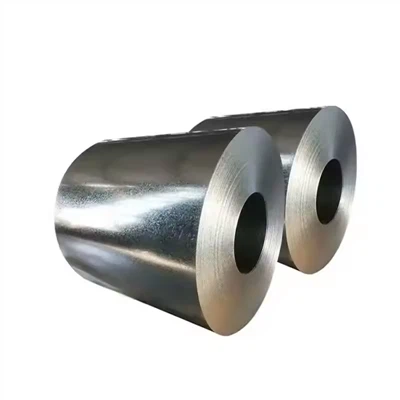

1. Dry Inland and Mild Climate Areas
For most inland cities and regions with low rainfall and moderate climates, Pattern Printed Steel Coil faces relatively low environmental stress.
A standard galvanized steel substrate combined with an economical polyester coating is usually sufficient. This combination provides the best cost-performance balance and remains one of the most widely used solutions in the market.
2. Strong Sunlight and High UV Exposure Areas
In regions with intense sunlight and strong ultraviolet radiation, such as plateaus, northwestern areas, tropical regions, and the Middle East, UV exposure is the primary cause of color fading and coating chalking.
For these environments, a high-weather-resistance polyester coating or PVDF coating should be selected, together with an aluminum-zinc coated steel substrate (Al-Zn coated steel) for improved durability.
Using standard low-cost polyester coatings in such areas may result in much faster aging and reduced service life.
3. Coastal, High-Humidity, and Salt Spray Environments
For coastal cities, islands, and humid regions such as Southeast Asia, chloride corrosion from salt spray is the biggest challenge. Areas such as cut edges, punched holes, and exposed metal sections are usually the first places where corrosion occurs.
In these conditions, a high-performance PVDF coating combined with an aluminum-zinc coated steel substrate is recommended.
More importantly, edge sealing and cut-edge protection are essential. In many coastal projects, premature corrosion is not caused by insufficient coating performance, but by poor treatment of exposed edges and cut sections.
4. Industrial Pollution and Acid Rain Areas
For industrial zones, chemical plants, and heavy industrial areas, the steel coil needs stronger resistance against chemical attack.
A PVDF coating with excellent acid and alkali resistance is recommended. The coating weight and thickness should also be increased to provide better long-term protection against corrosive environments.
5. Hot and Humid Tropical Regions
In hot and rainy climates, such as southern China and Southeast Asia, silicone-modified polyester (SMP) coatings offer excellent performance.
They provide better heat resistance, weather durability, and mildew resistance compared with standard polyester coatings, making them more suitable for long-term outdoor applications in humid environments.
6. Extremely Cold and Large Temperature Difference Areas
For cold regions with severe winters and significant temperature fluctuations, such as Northeast China, Northern Europe, and Russia, higher-grade coatings are not always the best choice.
Although PVDF coatings offer excellent weather resistance, they are relatively hard and less flexible. During deep forming, bending, or installation in cold temperatures, they may develop micro-cracks due to reduced flexibility.
In these environments, polyester or high-weather-resistant polyester coatings with better flexibility are often a more suitable choice, allowing the coating to withstand cold-weather bending without cracking.
7. Indoor and Dry Applications
For fully indoor applications, such as door panels, furniture, home appliance housings, and elevator interiors, there is usually no need to select high-end coatings.
A standard printed polyester-coated steel sheet is generally sufficient and can maintain good performance for many years under normal indoor conditions.
There is no need to spend extra on premium coatings when the environment does not require additional protection.