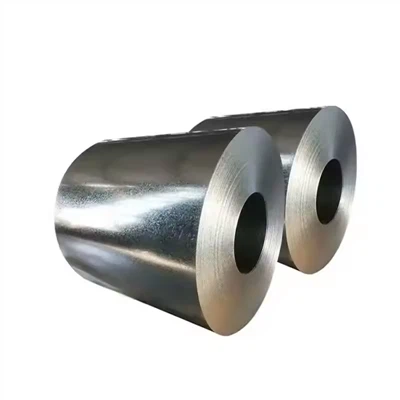

1. Start with the Application Environment
The first step in selecting PPGI Steel Plate is to understand where it will be used. The surrounding environment determines the required level of metal coating and paint coating performance.
For dry inland areas, ordinary factory buildings, logistics warehouses, and temporary structures, a galvanized steel substrate (GI) with a polyester coating (PE) is usually sufficient. It offers a cost-effective solution with reliable performance.
For general industrial buildings and exterior wall applications, a silicone-modified polyester (SMP) or high-durability coating (HDP) is recommended. Upgrading the substrate to galvalume steel (GL / aluminum-zinc coated steel) can provide better long-term corrosion resistance.
For coastal areas, chemical plants, acid rain environments, or landmark architectural projects, a combination of galvalume substrate (GL) and PVDF coating is preferred. In these demanding environments, cutting costs on the protective system often leads to premature aging and higher maintenance expenses.
There are two easily overlooked points that are worth noting:
First, galvalume steel is not always superior in every environment.
In strongly alkaline conditions, such as contact with fresh concrete, alkaline soil, or certain industrial chemicals (pH > 9), GI steel may actually perform better than GL steel.
Second, livestock facilities require special attention.
Ammonia gas in livestock environments can accelerate corrosion, and in these conditions, galvanized steel generally provides more reliable protection than galvalume steel.
Many users focus only on the idea that "galvalume is a higher-grade material" and overlook whether it is suitable for the actual application environment.
2. The Metal Coating Determines Long-Term Protection After Paint Aging
The paint coating will eventually experience aging, chalking, and gloss loss. However, the metal coating underneath is what continues protecting the steel sheet from perforation and corrosion.
Therefore, the metal coating is the foundation of service life, not just an additional layer.
GI (Galvanized Steel)
GI consists of a pure zinc coating. Its main advantages include:
Strong sacrificial protection at cut edges and scratched areas
Better weldability and formability
Lower material cost
It is widely used in applications where cost efficiency and processing performance are important.
GL (Galvalume Steel / 55% Aluminum-Zinc Alloy Coating)
GL contains approximately 55% aluminum-zinc alloy coating. Compared with pure zinc coating, it offers:
Several times higher corrosion resistance under similar conditions
Better heat resistance
Higher solar reflectivity
Improved performance in medium to high corrosion environments
Its excellent balance between durability and weight reduction makes it a popular choice for modern industrial buildings.
ZAM (Zinc-Aluminum-Magnesium Coated Steel)
ZAM provides the strongest self-healing ability at cut edges among the three options.
It is especially suitable for:
Coastal environments
High-corrosion industrial areas
Long-life outdoor structures
However, its higher performance also comes with a higher material cost.
Important Note: Cut-Edge Protection of GL Steel
The cut-edge protection ability of galvalume steel is weaker than galvanized steel.
After cutting, drilling, or machining, exposed edges must receive additional anti-corrosion treatment. Otherwise, corrosion may begin from these untreated areas first.
3. The Paint Coating Determines When Color Fading and Chalking Begin
The paint system mainly controls the appearance lifespan and weather resistance of PPGI Steel Plate.
From basic to premium performance, common coating options include:
Polyester (PE)
Silicone Modified Polyester (SMP)
High Durability Polyester (HDP)
PVDF (Polyvinylidene Fluoride)
PE (Polyester Coating)
PE is the most economical option with:
Wide color selection
Excellent forming performance
Good overall cost efficiency
However, its UV resistance is moderate, and it may experience earlier fading and chalking under strong sunlight.
SMP (Silicone Modified Polyester Coating)
SMP provides:
Higher hardness
Better wear resistance
Improved weather durability
However, its flexibility is reduced compared with standard polyester, making it less suitable for components requiring repeated forming.
HDP (High Durability Polyester Coating)
HDP offers the best balance between:
UV resistance
Flexibility
Cost performance
It has become a common choice for high-standard industrial buildings, warehouses, and commercial construction projects.
PVDF Coating
PVDF provides the highest level of:
Color retention
UV resistance
Chemical corrosion resistance
It is recommended for:
Coastal buildings
Chemical facilities
Landmark architectural projects
However, the cost is significantly higher, and it may be unnecessary for simple dry inland warehouses.
4. Don't Only Ask "How Many Years Can It Last" - Understand the Failure Mode
When evaluating coatings, service life is not the only factor. The way a coating fails is equally important.
PE coating: Usually the appearance deteriorates first, with fading and chalking occurring before the steel substrate is seriously damaged.
PVDF coating: Its biggest advantage is long-term color stability and resistance to harsh environments.
For projects exposed to salt spray, coastal conditions, or acid rain risks, choosing at least an HDP coating or higher is recommended.
The right PPGI Steel Plate is not about choosing the most expensive option, but selecting the coating and substrate combination that matches the actual service environment.