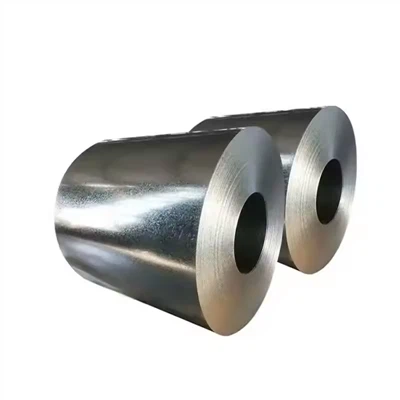
Steel plate, a crucial foundational material in modern industry and construction, comes in a wide variety of types and properties, primarily distinguished by material, strength, processing technology, and application.
Based on material classification, steel plate can be categorized into carbon steel, alloy steel, stainless steel, and special steel. Carbon steel, primarily composed of iron and carbon, is low-cost and easy to process, making it widely used in building structures and machinery manufacturing. Alloy steel, enhanced by the addition of elements such as manganese, chromium, and nickel, enhances its strength and corrosion resistance, making it suitable for demanding applications such as automobiles and ships. Stainless steel, due to its chromium content, forms an oxide film, offering exceptional corrosion resistance and is commonly used in sanitary or highly corrosive environments such as food processing equipment and medical devices. Special steels such as wear-resistant and heat-resistant steels are designed for extreme operating conditions, such as high-temperature furnaces or mining machinery.
Based on strength grade, steel plate can be categorized into standard strength (such as Q235), high strength (such as Q355), and ultra-high strength (such as DP steel). Standard-strength steel plates are low-cost and suitable for non-load-bearing structures. High-strength steel plates, which achieve increased load-bearing capacity through controlled rolling and cooling or heat treatment, are widely used in bridges and high-rise buildings. Ultra-high-strength steel is used in lightweight automobiles and aerospace applications, balancing strength and weight reduction.
Processing technology also significantly impacts steel plate performance. Hot-rolled steel plates are formed through high-temperature rolling, resulting in a rough surface but excellent toughness. They are often used in containers and pipes. Cold-rolled steel plates are processed at room temperature, resulting in thinner thickness and a smoother surface, making them suitable for appliance housings or precision components. Furthermore, galvanized steel plates, with their rust-resistant coating, are often used in roofing or electrical cabinets.
In summary, the differences in steel plates directly influence their application scenarios. Mechanical properties, environmental compatibility, and cost factors must be comprehensively considered when selecting a material to ensure a precise match between the material and the project requirements.