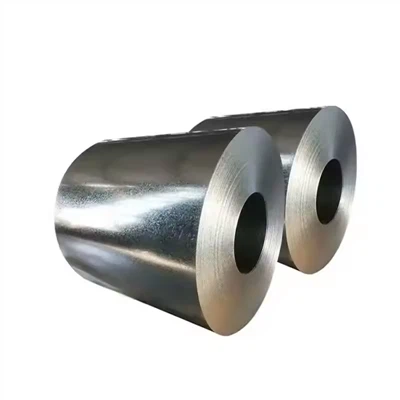
Steel plate is an indispensable foundational material in modern industry. Its manufacturing methods and technologies directly impact its performance and application range. The steel plate manufacturing process involves multiple key steps, including raw material preparation, smelting, rolling, and post-processing. Each step requires strict control to ensure the quality of the final product.
Raw Materials and Smelting
Steel plate manufacturing begins with the optimal combination of high-quality iron ore, scrap steel, and alloying elements. First, the raw materials are smelted at high temperatures in an electric arc furnace or converter. Redox reactions remove impurities and adjust the carbon content and other alloying components. Modern steel mills generally use basic oxygen furnaces (LD) or electric arc furnaces (EAF) to improve smelting efficiency and reduce energy consumption. Precise control of temperature and chemical composition is crucial during the smelting process to ensure the molten steel possesses ideal mechanical properties and workability.
Continuous Casting and Rolling
The molten steel is cast into slabs in a continuous casting machine. This process directly affects the internal microstructure uniformity of the steel plate. The slabs then enter a heating furnace for soaking treatment to enhance their plasticity and facilitate subsequent rolling. Rolling is the core process in steel plate forming and is divided into two methods: hot rolling and cold rolling. Hot-rolled steel plates are rolled at high temperatures, resulting in excellent ductility and suitable for structural parts. Cold-rolled steel plates, on the other hand, are processed at room temperature, resulting in a smooth surface finish and superior dimensional accuracy. They are commonly used in applications such as automobiles and home appliances.
Post-Processing and Quality Control
After rolling, steel plates undergo cooling, leveling, and surface treatment. Heat treatment (such as normalizing and quenching) further optimizes the strength and toughness of the steel plates. Furthermore, non-destructive testing (such as ultrasonic testing) and mechanical property testing ensure that the steel plates meet industry standards. Modern steel plate manufacturing also prioritizes environmental protection and energy efficiency, employing advanced waste heat recovery and emission reduction technologies to reduce carbon emissions during production.
In summary, steel plate manufacturing methods integrate multidisciplinary expertise from metallurgy, mechanics, and materials science. Process optimization will continue to drive the development of high-end manufacturing.