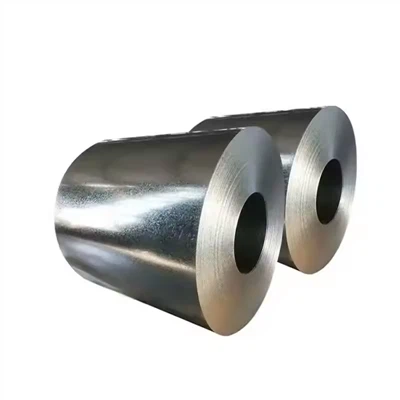
Galvalume steel coils are widely used in construction, home appliances, automotive, and industrial equipment manufacturing due to their excellent corrosion resistance, high-temperature resistance, and excellent workability.However, improper use can lead to degraded material properties or shortened service life. This article details the correct usage tips for galvalume steel coils to ensure optimal performance and long-term durability.
I. Storage and Handling Precautions
Galvalume steel coils require special care during storage and handling to prevent surface damage and corrosion.
1.Storage Environment: Store in a dry, ventilated indoor environment, avoiding prolonged exposure to moisture or acidic or alkaline gases. If outdoor storage is unavoidable, ensure the bottom is elevated and covered with tarpaulin to protect against rain and moisture.
2.Stacking Method: Steel coils should be stacked horizontally to avoid tilting or vertical placement, which could cause deformation. Use wooden or rubber pads when stacking to prevent surface scratches caused by direct friction between coils.
3.Handling: Use a dedicated lifting device or forklift during handling. Avoid direct contact between the wire rope and the edge of the steel coil to prevent indentations or coating damage.
II. Pre-Processing Pretreatment
Galuzinc steel coils require proper pretreatment before cutting, bending, or welding to improve processing quality and material life.
1.Surface Cleaning: Before use, remove oil, dust, and impurities from the surface of the steel coil. Use a neutral detergent; avoid strong acids or alkalines to prevent damage to the coating.
2.Edge Protection: Laser or plasma cutting is recommended, and the cut edges should be treated with rust prevention (e.g., applying anti-rust oil) to prevent oxidation of the exposed substrate.
3.Avoid Excessive Bending: Galuzinc steel coils have limited ductility. The bending radius should be greater than twice the material thickness to avoid cracking or peeling of the coating due to excessive bending.
III. Welding and Joining Techniques
Welding galvanized steel coils requires special care to avoid high temperatures damaging the coating or compromising weld strength.
1.Welding Method: Resistance welding or argon arc welding is recommended to avoid prolonged, high-temperature arc exposure to the coated area. If conventional arc welding is unavoidable, the weld area should be treated with rust prevention after welding.
2.Pre-welding Treatment: Grinding can be performed within approximately 10-15 mm of the weld area to remove some of the coating to reduce weld spatter and the generation of pores.
3.Post-weld Protection: After welding, the weld and heat-affected zone should be coated with anti-rust paint or galvanized to enhance corrosion resistance.
IV. Surface Treatment and Painting Recommendations
Al-zinc-coated steel coils inherently have good corrosion resistance, but additional protection is recommended for use in harsh environments (such as high humidity and strong acid and alkali environments).
1.Pre-painting Treatment: If painting is required, phosphating or passivation should be performed first to improve paint adhesion. Avoid spraying directly onto untreated galvanized steel surfaces to prevent coating detachment.
2.Coating Selection: We recommend using a combination of epoxy primer and polyurethane topcoat, or an anti-corrosion coating specifically designed for galvanized steel, to ensure long-term weather resistance.
3.Application Environment: Painting should be performed in a dust-free environment with a moderate temperature (10-30°C). Avoid rainy days or high humidity.
V. Operating Environment and Maintenance
Although galvanized steel coils are highly corrosion-resistant, they still require regular maintenance in certain environments.
1.Avoid Contact with Corrosive Substances: Avoid prolonged contact with strong acids or alkaline solutions such as hydrochloric acid and sulfuric acid. If unavoidable, implement isolation measures (such as using plastic underlayment).
2.Regular Inspection: When used outdoors or in humid environments, regularly inspect the surface for signs of red rust (oxidation of the iron substrate). If detected, address it promptly.
3.Cleaning and Maintenance: Surface dirt can be cleaned with clean water or a neutral detergent. Avoid using steel wool or hard brushes to prevent scratching the coating.
Conclusion
Galuzinc steel coils, due to their excellent overall performance, have become a vital material in numerous industries. However, proper use and maintenance are crucial to ensuring their long-term performance. Scientific storage, processing, welding, and surface treatment methods can maximize the advantages of galuzinc steel coils, extend their service life, and reduce maintenance costs. In actual applications, it is recommended to adjust the application strategy according to specific working conditions to achieve optimal results.