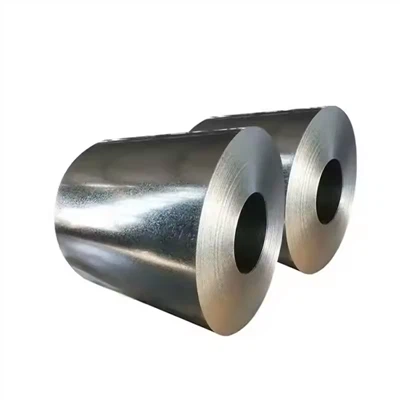
Galvanized steel coils are widely used in construction, automotive manufacturing, home appliance manufacturing, and other fields due to their excellent corrosion resistance and long service life. However, improper daily care can damage their protective coating, affecting their overall performance and service life. Therefore, mastering the proper daily care methods for galvanized steel coils is crucial.
1. Keep the Surface Clean
The surface of galvanized steel coils should be cleaned regularly to prevent the long-term accumulation of dust, oil, and other contaminants that can cause corrosion or oxidation. When cleaning, it is recommended to use a soft cloth or sponge dampened with a neutral detergent (such as a diluted dishwashing liquid solution) and gently wipe the surface. Avoid using steel wool or hard brushes, as these can scratch the zinc coating. After cleaning, rinse thoroughly with clean water and wipe dry with a dry cloth to prevent residual moisture from causing rust.
2. Avoid Contact with Corrosive Substances
Galvanized steel coils are sensitive to chemicals such as acids, alkalis, and salts. Prolonged contact can damage the zinc coating, exposing the steel substrate and potentially causing rust. During storage or use, avoid direct contact with substances such as acidic cleaners, fertilizers, and salt water. If contaminated with corrosive liquids, immediately rinse the affected area with clean water and inspect the galvanized coating for damage, repairing if necessary.
3. Control the Storage Environment
The storage environment of galvanized steel coils significantly affects their corrosion resistance. Ideal storage conditions include:
•Dry and ventilated: The storage environment should be dry to avoid condensation caused by humidity.
•Avoid direct sunlight: Prolonged exposure to direct sunlight may cause the coil temperature to rise and accelerate surface oxidation. Shading is recommended.
•Off-ground storage: Steel coils should be placed on wooden pallets or racks, away from direct contact with the ground to prevent moisture intrusion.
•Away from corrosion sources: Storage areas should be away from chemical plants, sewage treatment facilities, and other locations where corrosive gases may be released.
4. Prevent mechanical damage
When handling, installing, or processing galvanized steel coils, avoid collisions or scratches with hard objects to prevent damage to the galvanized coating. When using lifting equipment, use soft lifting straps or rubber pads to protect the edges of the steel coil. Minor scratches can be temporarily protected with rust-proof oil, but serious damage requires professional repair or replacement.
5. Regular Inspection and Maintenance
Even with proper daily care, galvanized steel coils still require regular inspection, focusing on the following:
•Galvanizing Integrity: Observe the surface for red rust (ferrous rust). If present, this indicates the galvanizing layer has been damaged and requires prompt attention.
•Edge Protection: The edges of steel coils are often more susceptible to damage and should be inspected for signs of corrosion.
•Storage Condition: Regularly inspect the storage environment to ensure compliance with requirements and avoid risks of water accumulation, chemical contamination, or physical damage.
Conclusion
Daily care for galvanized steel coils is not complex, but requires strict adherence to scientific maintenance methods. By maintaining a clean surface, avoiding contact with corrosive substances, optimizing the storage environment, preventing mechanical damage, and performing regular inspections, you can effectively extend its service life and ensure optimal performance in various applications. Proper care not only reduces maintenance costs but also improves the safety and reliability of the material.