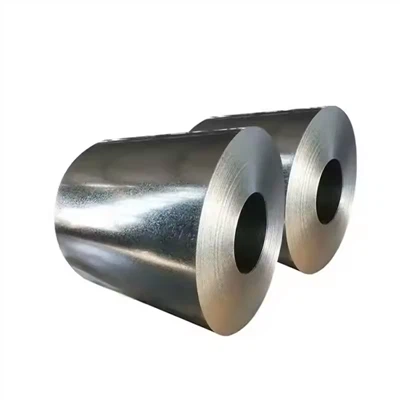
Hey there! As a supplier of Aluzinc Steel Coil, I often get asked about the differences between Aluzinc steel coil and aluminum-coated steel coil. So, I thought I'd take a moment to break it down for you in a simple and easy-to-understand way.
What's Aluzinc Steel Coil?
First off, let me tell you a bit about Aluzinc steel coil. Aluzinc steel coil is a type of coated steel that has a zinc-aluminum alloy coating. This coating is typically made up of about 55% aluminum, 43.4% zinc, and 1.6% silicon. The combination of these elements gives Aluzinc steel coil some pretty awesome properties.
One of the main advantages of Aluzinc steel coil is its excellent corrosion resistance. The aluminum in the coating forms a protective oxide layer on the surface of the steel, which helps to prevent rust and corrosion. This makes Aluzinc steel coil a great choice for outdoor applications, such as roofing, siding, and gutters.
Another benefit of Aluzinc steel coil is its high heat reflectivity. The aluminum in the coating reflects a significant amount of heat, which can help to reduce energy costs in buildings. This makes Aluzinc steel coil a popular choice for energy-efficient roofing systems.
If you're interested in learning more about Aluzinc Steel Coil, you can check out Aluzinc Steel Coil.
What's Aluminum-Coated Steel Coil?
Now, let's talk about aluminum-coated steel coil. Aluminum-coated steel coil is, as the name suggests, steel that has been coated with a layer of aluminum. The coating can vary in thickness, but it's typically thinner than the coating on Aluzinc steel coil.
One of the main advantages of aluminum-coated steel coil is its lightweight. The aluminum coating adds very little weight to the steel, which makes it a great choice for applications where weight is a concern. This includes things like automotive parts, aerospace components, and packaging.
Another benefit of aluminum-coated steel coil is its good formability. The aluminum coating allows the steel to be easily shaped and formed without cracking or peeling. This makes aluminum-coated steel coil a popular choice for manufacturing processes that require complex shapes and designs.
Key Differences
Coating Composition
The most obvious difference between Aluzinc steel coil and aluminum-coated steel coil is the composition of their coatings. As I mentioned earlier, Aluzinc steel coil has a zinc-aluminum alloy coating, while aluminum-coated steel coil has a pure aluminum coating. This difference in composition gives each type of steel coil different properties.
Corrosion Resistance
In terms of corrosion resistance, Aluzinc steel coil is generally considered to be superior to aluminum-coated steel coil. The zinc in the Aluzinc coating provides sacrificial protection to the steel, which means that it corrodes first and helps to prevent the steel from rusting. The aluminum in the coating also forms a protective oxide layer, which further enhances the corrosion resistance.
Aluminum-coated steel coil, on the other hand, relies solely on the aluminum coating to protect the steel from corrosion. While aluminum is a relatively corrosion-resistant metal, it doesn't provide the same level of sacrificial protection as zinc. As a result, aluminum-coated steel coil may not be as suitable for applications where corrosion resistance is a major concern.
Heat Reflectivity
When it comes to heat reflectivity, Aluzinc steel coil has an edge over aluminum-coated steel coil. The aluminum in the Aluzinc coating reflects a significant amount of heat, which can help to reduce energy costs in buildings. The zinc in the coating also helps to improve the heat reflectivity of the steel.
Aluminum-coated steel coil does have some heat reflectivity, but it's not as high as that of Aluzinc steel coil. This is because the aluminum coating is typically thinner than the coating on Aluzinc steel coil, which means that it doesn't reflect as much heat.
Cost
Cost is always a factor to consider when choosing between different types of steel coil. Generally speaking, Aluzinc steel coil is more expensive than aluminum-coated steel coil. This is because the zinc-aluminum alloy coating on Aluzinc steel coil is more expensive to produce than the pure aluminum coating on aluminum-coated steel coil.
However, it's important to note that the higher cost of Aluzinc steel coil may be offset by its longer lifespan and better performance. In applications where corrosion resistance and heat reflectivity are important, the extra cost of Aluzinc steel coil may be worth it in the long run.
Applications
Aluzinc Steel Coil Applications
As I mentioned earlier, Aluzinc steel coil is a great choice for outdoor applications, such as roofing, siding, and gutters. Its excellent corrosion resistance and high heat reflectivity make it well-suited for these types of applications.
Aluzinc steel coil is also used in a variety of other industries, including automotive, construction, and agriculture. In the automotive industry, Aluzinc steel coil is used to make parts such as fuel tanks, exhaust systems, and body panels. In the construction industry, it's used to make structural components, such as beams and columns. In the agriculture industry, it's used to make equipment such as grain bins and livestock shelters.
If you're interested in finding Galvalume Steel Coil Suppliers, you can click the link.
Aluminum-Coated Steel Coil Applications
Aluminum-coated steel coil is commonly used in applications where lightweight and good formability are important. This includes things like automotive parts, aerospace components, and packaging.
In the automotive industry, aluminum-coated steel coil is used to make parts such as engine blocks, transmission cases, and suspension components. In the aerospace industry, it's used to make parts such as wings, fuselages, and landing gear. In the packaging industry, it's used to make cans, bottles, and other containers.
If you're looking for ASTM A792 Galvalume Steel Coil, the link above will take you to more information.
Conclusion
So, there you have it! The main differences between Aluzinc steel coil and aluminum-coated steel coil. As you can see, each type of steel coil has its own unique properties and advantages. When choosing between the two, it's important to consider your specific application and requirements.
If you're in the market for Aluzinc steel coil, I'd be happy to help. As a supplier, I can provide you with high-quality Aluzinc steel coil at competitive prices. Whether you need a small quantity for a DIY project or a large quantity for a commercial application, I've got you covered.
If you have any questions or would like to discuss your specific needs, feel free to reach out. I'm always here to help you make the right choice for your project.


References
- "Coated Steel Products Handbook" by the Steel Construction Institute
- "Corrosion Resistance of Zinc and Aluminum Coatings on Steel" by the American Galvanizers Association