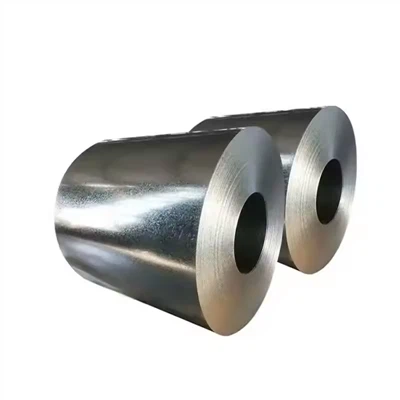
Okay, here's a blog about how flat rolled steel sheet is produced:
Hey there! I'm [Your Name], a supplier of Flat Rolled Steel Sheet. I'm super stoked to take you on a journey through how these amazing sheets are produced. Flat rolled steel sheets are all around us. From cars to buildings, they play a crucial role in so many industries. So, let's dive right in and see what goes into making them.
Step 1: Raw Material Selection
The first thing we need is the right raw materials. We mainly use iron ore, coal, and limestone. The quality of these raw materials is super important because it directly affects the quality of the final steel sheet.
We source our iron ore from some of the best mines around the world. The iron ore is in a rocky form at first, containing a mix of iron and other elements. Coal is used as a fuel and a reducing agent in the steel - making process. Limestone helps to remove impurities during the smelting.
Step 2: Iron Making
Once we've got our raw materials, it's time to make iron. This happens in a blast furnace. It's a massive structure where all the magic begins.
We load the iron ore, coal, and limestone into the blast furnace. The coal is first turned into coke, which is a more pure form of carbon. When the materials are inside the furnace, hot air is blasted in from the bottom. The high temperature causes the iron ore to react with the carbon from the coke. This reaction reduces the iron ore to iron, and the limestone combines with the impurities to form slag.
The iron that comes out of the blast furnace is called pig iron. It's still pretty impure and contains a lot of carbon and other elements. But it's the starting point for making steel.
Step 3: Steel Making
Now, we have pig iron, but we need to turn it into steel. There are a few different methods for this, but the most common one is the Basic Oxygen Furnace (BOF) process.
In the BOF process, we take the pig iron and add some scrap steel to it. Then, we blow pure oxygen into the furnace at high speed. The oxygen reacts with the carbon and other impurities in the pig iron, burning them off. This reduces the carbon content and gives us a more refined steel.
Another method is the Electric Arc Furnace (EAF) process. This method uses electricity to melt scrap steel directly. It's a more energy - efficient option when we have a lot of scrap steel available.
Step 4: Continuous Casting
Once we have the steel, we need to shape it. We use the continuous casting process for this.
The molten steel is poured into a water - cooled mold. As the steel enters the mold, it starts to solidify from the outside. The partially solidified steel is then pulled out of the mold and passed through a series of rollers. These rollers gradually shape the steel into a long, continuous slab.
The advantage of continuous casting is that it's a very efficient way to produce steel slabs. It also results in a more uniform and high - quality product compared to some other casting methods.
Step 5: Hot Rolling
The next step is hot rolling. Hot rolling is a process where we heat the steel slabs to a very high temperature and then pass them through a series of rolling mills.
The high temperature makes the steel more malleable, so it can be easily shaped. The rolling mills apply pressure to the steel, reducing its thickness and increasing its length. The result is a much thinner and wider sheet of steel.
During hot rolling, we can control the thickness and width of the steel sheet to meet different customer requirements. We also need to be careful about the rolling speed and temperature to ensure the quality of the final product.
Step 6: Cold Rolling
After hot rolling, we often do cold rolling. Cold rolling is similar to hot rolling, but the steel is not heated as much.
We use cold rolling to further reduce the thickness of the steel sheet and to improve its surface finish and mechanical properties. The cold - rolled steel is stronger and has a smoother surface compared to hot - rolled steel.
Cold rolling also allows us to achieve more precise thickness tolerances. This is important for applications where accuracy is key, like in the automotive industry.


Step 7: Surface Treatment
Once the steel sheet has been rolled to the right thickness, we may perform some surface treatments. One common surface treatment is galvanizing.
Galvanizing involves coating the steel sheet with a layer of zinc. This protects the steel from corrosion. The zinc forms a barrier that prevents oxygen and water from reaching the steel surface. Another option is the production of Galvalume Metal Roof Panels, which are made by coating the steel with a combination of aluminum, zinc, and silicon. This type of coating provides excellent corrosion resistance and is often used in roofing applications.
Step 8: Cutting and Finishing
The last step is cutting and finishing. We use special cutting machines to cut the large steel sheets into the desired sizes.
We can cut the sheets into rectangular shapes, squares, or even custom shapes according to our customers' needs. After cutting, we do some finishing touches, like deburring the edges to make them smooth and safe to handle.
And that's it! That's how we produce Flat Rolled Steel Sheet. It's a long and complex process, but we take pride in producing high - quality steel sheets that meet the needs of our customers.
If you're in the market for flat rolled steel sheets, whether it's for a small DIY project or a large - scale industrial application, we'd love to talk to you. We have a wide range of products with different thicknesses, sizes, and surface treatments. So, don't hesitate to reach out for a chat about your requirements, and let's see how we can work together.
References
- Manufacturing Processes for Engineering Materials, by Serope Kalpakjian and Steven R. Schmid
- Iron and Steel Manufacturing, various industry reports