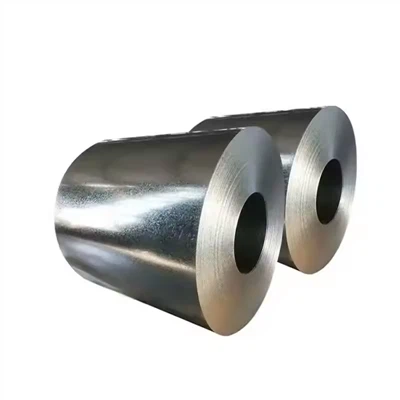
Hey there! As a supplier of Corrugated Roofing Sheets, I often get asked about the weight of these sheets. It's an important factor, whether you're a contractor planning a big roofing project or a homeowner looking to spruce up your place. Let's dive into what affects the weight of corrugated roofing sheets and why it matters.
What Determines the Weight of Corrugated Roofing Sheets?
The weight of corrugated roofing sheets isn't a one - size - fits - all deal. There are several key factors that come into play.
Material
The material used to make the sheets is a major determinant. For instance, we have Corrugated PPGL Steel Sheet. PPGL (Pre - Painted Galvanized and Galvalume Steel) is a popular choice. Steel is relatively dense, so these sheets tend to be on the heavier side. On the other hand, if we're talking about plastic or fiberglass corrugated sheets, they're much lighter. Plastic sheets are made from polymers that have a lower density compared to steel.
Thickness
Thicker sheets are obviously heavier. When you increase the thickness of the material, you're adding more mass. For example, a 0.5 - millimeter thick PPGL corrugated sheet will weigh less than a 0.8 - millimeter thick one. This is something to keep in mind when you're choosing the right sheet for your project. If you need a more durable sheet that can withstand harsh weather conditions or heavy loads, you might opt for a thicker one, but you'll also have to account for the extra weight.
Size
The dimensions of the corrugated sheet also have a significant impact on its weight. A larger sheet will have more surface area and thus more material, making it heavier. If you're using Corrugated Sheet Metal Panels that are 8 feet long by 4 feet wide, they'll weigh more than smaller panels, say 4 feet by 2 feet.
Corrugation Profile
The shape and depth of the corrugation can affect the weight too. A deeper corrugation means more material is used in the manufacturing process. Some corrugation profiles are designed for better strength and water runoff, but these often require more material, which in turn increases the weight.
Why Does the Weight of Corrugated Roofing Sheets Matter?
Structural Considerations
One of the most important reasons to consider the weight is the structural integrity of the building. If your building's structure isn't designed to handle a heavy roof, installing heavy corrugated roofing sheets can be a disaster. The extra weight can put stress on the roof trusses, walls, and even the foundation. This might lead to structural damage over time, such as sagging roofs or cracked walls.
For example, if you're retrofitting an old shed with new roofing sheets, you need to check if the shed's frame can support the weight of the chosen sheets. Otherwise, you might need to reinforce the structure before installation.
Installation
The weight also affects the ease of installation. Heavier sheets are more difficult to handle and maneuver. You'll need more manpower and possibly specialized equipment, like cranes or forklifts, to lift and position them. This can increase the installation cost and time. Lighter sheets, on the other hand, can usually be installed by a smaller team without the need for heavy machinery.
Transportation
When it comes to getting the roofing sheets to your project site, weight plays a crucial role. Shipping companies charge based on weight and volume. Heavier sheets will cost more to transport, especially if you're ordering a large quantity. This is an important cost - consideration when you're planning your project budget.
Typical Weight Ranges
Let's talk about some typical weight ranges for different types of corrugated roofing sheets.


PPGL Steel Sheets
For Corrugated PPGL Steel Sheet, the weight can vary depending on the thickness. A 0.4 - millimeter thick sheet might weigh around 3.14 kilograms per square meter, while a 0.8 - millimeter thick sheet can weigh up to 6.28 kilograms per square meter. These are approximate values and can vary slightly depending on the specific manufacturing process and the exact composition of the steel.
Plastic Sheets
Plastic corrugated sheets are much lighter. They typically weigh between 0.8 to 1.5 kilograms per square meter. This makes them a popular choice for DIY projects or for applications where weight is a major concern, like on small sheds or greenhouses.
How to Calculate the Weight of Your Roofing Project
If you're planning a roofing project, you'll need to calculate the total weight of the corrugated roofing sheets you'll need. Here's a simple step - by - step guide:
- Measure the Roof Area: First, measure the area of your roof. You can do this by multiplying the length and width of each section of the roof and then adding them all together. Make sure to account for any slopes or irregular shapes.
- Determine the Sheet Weight per Square Meter: Check the product specifications of the Corrugated Roofing Sheets you've chosen. This will tell you how much each square meter of the sheet weighs.
- Calculate the Total Weight: Multiply the roof area by the weight per square meter. This will give you the approximate total weight of the roofing sheets you'll need for your project.
Conclusion
So, as you can see, the weight of corrugated roofing sheets is an important factor that affects many aspects of your roofing project, from the structural integrity of your building to the cost of installation and transportation. Whether you're looking for a heavy - duty steel sheet or a lightweight plastic option, it's crucial to choose the right sheet for your specific needs.
If you're in the market for Corrugated Roofing Sheets, we're here to help. We've got a wide range of options to suit different budgets and requirements. Feel free to reach out to us to discuss your project and get a quote. We're always happy to assist in finding the perfect roofing solution for you.
References
- Industry standards for corrugated roofing sheet manufacturing
- Manufacturer's product specifications for various corrugated roofing materials