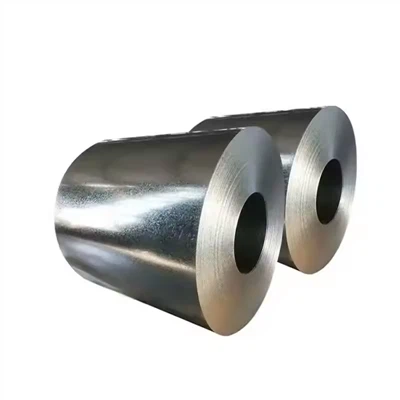
As a seasoned supplier of Aluzinc Steel Coil, I understand the critical importance of being able to identify high - quality products in this industry. In this blog post, I'll share my insights and expertise on how you can accurately identify high - quality Aluzinc steel coils.
Understanding the Basics of Aluzinc Steel Coil
Aluzinc steel coil, also known as Galvalume steel coil, is a type of coated steel that combines the corrosion - resistance properties of aluminum with the sacrificial protection of zinc. It is widely used in various applications, including roofing, siding, and automotive parts. The Aluzinc Steel Coil is typically alloyed with about 55% aluminum, 43.4% zinc, and 1.6% silicon, which gives it a unique set of characteristics.
1. Coating Thickness and Quality
One of the most important factors in determining the quality of an Aluzinc steel coil is the coating thickness. A high - quality Aluzinc steel coil should have a uniform and adequate coating thickness across the entire surface. The coating thickness is usually measured in grams per square meter (g/m²). For most applications, a coating thickness of at least AZ150, which means 150 g/m² of the Al - Zn alloy coating, is recommended.
The AZ150 Galvalume Steel Coil offers excellent corrosion resistance and durability. To check the coating thickness, you can use a magnetic coating thickness gauge. This device measures the distance between the steel substrate and the surface of the coating, giving you an accurate reading of the coating thickness.
In addition to thickness, the quality of the coating is also crucial. A high - quality coating should be smooth, free of cracks, voids, and pinholes. A damaged coating can expose the steel substrate to the environment, leading to premature corrosion and reduced lifespan of the coil. You can visually inspect the coil under good lighting conditions to look for any visible defects. If possible, use a magnifying glass to detect any minor flaws that might be missed by the naked eye.
2. Adhesion of the Coating
The adhesion of the Al - Zn coating to the steel substrate is another key indicator of quality. A well - adhered coating will not peel or flake off easily, even under harsh environmental conditions or mechanical stress. To test the adhesion of the coating, you can perform a simple cross - hatch test.
First, use a sharp blade to make a series of parallel cuts on the surface of the coating, about 1 mm apart. Then, make a second set of cuts perpendicular to the first set, creating a grid pattern. Apply a piece of adhesive tape firmly over the grid and then quickly pull it off at a 90 - degree angle. If the coating does not come off with the tape, it indicates good adhesion.
Poor adhesion can be caused by several factors, including improper surface preparation of the steel substrate before coating, incorrect coating parameters, or contamination during the coating process. A high - quality Aluzinc steel coil should have excellent coating adhesion to ensure long - term performance.


3. Chemical Composition
The chemical composition of the Al - Zn alloy coating and the steel substrate is also vital for determining the quality of the Aluzinc steel coil. The coating should have the correct ratio of aluminum, zinc, and silicon as specified by industry standards, such as ASTM A792.
The ASTM A792 Galvalume Steel Coil meets the requirements of the ASTM A792 standard, which ensures consistent quality and performance. You can request a chemical analysis report from the supplier to verify the chemical composition of the coating and the substrate. This report will show the exact percentages of each element in the coating and the substrate, allowing you to confirm that they meet your requirements.
The steel substrate should also have the appropriate carbon, manganese, sulfur, and phosphorus content. These elements can affect the strength, ductility, and weldability of the steel. For example, excessive carbon content can make the steel brittle, while high sulfur content can reduce the weldability.
4. Mechanical Properties
The mechanical properties of the Aluzinc steel coil, such as tensile strength, yield strength, and elongation, are important for its performance in different applications. High - quality Aluzinc steel coils should have consistent mechanical properties throughout the coil.
Tensile strength is the maximum stress that the steel can withstand before breaking. Yield strength is the stress at which the steel begins to deform plastically. Elongation measures the ability of the steel to stretch before breaking. These properties can be tested using a universal testing machine.
The mechanical properties of the Aluzinc steel coil are influenced by the chemical composition of the steel substrate and the manufacturing process. A well - manufactured coil will have the desired balance of strength and ductility, making it suitable for a wide range of applications.
5. Surface Finish
The surface finish of the Aluzinc steel coil can also affect its quality and appearance. A high - quality coil should have a smooth and uniform surface finish. Any surface roughness, scratches, or stains can not only affect the aesthetic appeal but also potentially reduce the corrosion resistance of the coil.
There are different types of surface finishes available for Aluzinc steel coils, such as bright finish, matte finish, and embossed finish. The choice of surface finish depends on the specific application. For example, a bright finish is often preferred for applications where appearance is important, while a matte finish may be more suitable for applications where glare needs to be minimized.
6. Supplier Reputation
Finally, the reputation of the supplier is a significant factor when it comes to identifying high - quality Aluzinc steel coils. A reliable and experienced supplier is more likely to provide high - quality products that meet industry standards. You can research the supplier's history, customer reviews, and certifications.
The Galvalume Steel Coil Suppliers with a good reputation are often those who have been in the industry for a long time, have a track record of delivering quality products, and are responsive to customer needs. They are also more likely to have a rigorous quality control system in place to ensure that their products meet or exceed customer expectations.
Conclusion
Identifying high - quality Aluzinc steel coils requires a combination of knowledge, experience, and careful inspection. By considering factors such as coating thickness and quality, adhesion of the coating, chemical composition, mechanical properties, surface finish, and supplier reputation, you can make an informed decision when purchasing Aluzinc steel coils.
If you are in the market for high - quality Aluzinc steel coils, we are here to help. We have years of experience in supplying top - notch Aluzinc steel coils to various industries. Our products are manufactured to the highest standards, ensuring optimum performance and durability. Contact us today to discuss your specific requirements and start a successful partnership for your next project!
References
- ASTM International. "Standard Specification for Steel Sheet, Zinc - 5% Aluminum - Mischmetal Alloy - Coated by the Hot - Dip Process." ASTM A792.
- Various industry research papers on coated steel and Galvalume technology.