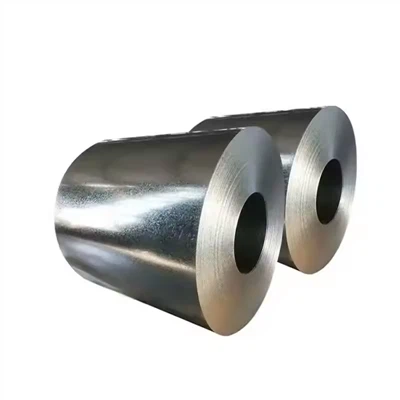
Galvalume metal roof panels have emerged as a popular choice for modern construction projects due to their durability, corrosion resistance, and aesthetic appeal. However, when it comes to historical building restoration, the question arises: Can Galvalume metal roof panels be used in a historical building restoration? As a supplier of Galvalume Metal Roof Panels, I will delve into this topic and provide insights based on industry knowledge and experience.
Understanding Galvalume Metal Roof Panels
Galvalume is a type of steel sheet coated with an aluminum-zinc alloy. This coating provides excellent corrosion resistance, making it suitable for various environments. Galvalume Metal Roof Panels are made from this coated steel and are available in different profiles and finishes. They are lightweight, easy to install, and have a long lifespan, which makes them an attractive option for roofing projects.
Considerations for Historical Building Restoration
Historical buildings are valuable cultural assets that require careful preservation and restoration. When considering the use of Galvalume metal roof panels in a historical building restoration, several factors need to be taken into account:
1. Aesthetic Compatibility
One of the primary concerns in historical building restoration is maintaining the building's original aesthetic. Galvalume metal roof panels come in a variety of colors and finishes, which can be selected to match the historical appearance of the building. However, it is crucial to ensure that the chosen panels blend seamlessly with the existing architecture and do not detract from the historical character of the building.
2. Historical Accuracy
Historical accuracy is essential in restoration projects. Before using Galvalume metal roof panels, it is necessary to research the original roofing materials and design of the building. If the original roof was made of a different material, such as slate or clay tiles, the use of Galvalume panels may not be historically accurate. In such cases, alternative solutions may need to be considered.
3. Structural Compatibility
The structural integrity of the building is another important consideration. Galvalume metal roof panels are lightweight, which can be an advantage in some cases. However, it is necessary to ensure that the existing roof structure can support the weight of the new panels. If the structure is weak or damaged, additional support may be required.
4. Preservation of Historical Features
Historical buildings often have unique features, such as decorative elements or architectural details, that need to be preserved. When installing Galvalume metal roof panels, it is important to take precautions to avoid damaging these features. This may require careful planning and the use of specialized installation techniques.


Advantages of Using Galvalume Metal Roof Panels in Historical Building Restoration
Despite the considerations mentioned above, there are several advantages to using Galvalume metal roof panels in historical building restoration:
1. Durability
Galvalume metal roof panels are highly durable and can withstand harsh weather conditions, such as heavy rain, snow, and strong winds. This makes them a long-lasting solution for historical buildings, reducing the need for frequent repairs and replacements.
2. Corrosion Resistance
The aluminum-zinc coating on Galvalume panels provides excellent corrosion resistance, protecting the underlying steel from rust and deterioration. This is particularly important in historical buildings, as corrosion can cause significant damage to the roof structure over time.
3. Energy Efficiency
Galvalume metal roof panels have a high solar reflectance, which can help reduce the heat absorption of the building. This can lead to lower energy costs and a more comfortable indoor environment.
4. Cost-Effectiveness
Compared to traditional roofing materials, such as slate or clay tiles, Galvalume metal roof panels are often more cost-effective. They are also easier to install, which can further reduce labor costs.
Case Studies
To illustrate the successful use of Galvalume metal roof panels in historical building restoration, let's look at a few case studies:
Case Study 1: The Old Town Hall
The Old Town Hall is a historic building in a small town. The original roof was made of slate tiles, which were damaged and in need of replacement. After careful consideration, the restoration team decided to use Galvalume metal roof panels. The panels were selected in a color that matched the original slate tiles, and they were installed using a specialized technique to ensure a seamless fit. The new roof not only restored the historical appearance of the building but also provided improved durability and energy efficiency.
Case Study 2: The Church of St. Mary
The Church of St. Mary is a centuries-old building with a complex roof structure. The original roof was made of lead, which was leaking and causing damage to the interior of the church. The restoration team decided to use Galvalume metal roof panels to replace the lead roof. The panels were custom-made to fit the unique shape of the roof, and they were installed with minimal disruption to the existing structure. The new roof not only solved the leak problem but also enhanced the overall appearance of the church.
Conclusion
In conclusion, Galvalume metal roof panels can be a viable option for historical building restoration. However, it is important to carefully consider the aesthetic, historical, structural, and preservation aspects of the project. By working with a knowledgeable supplier and a professional restoration team, it is possible to achieve a successful restoration that combines the benefits of Galvalume metal roof panels with the preservation of the building's historical character.
If you are considering using Galvalume Metal Roof Panels for a historical building restoration project, I encourage you to contact us for more information. Our team of experts can provide you with detailed product information, installation guidance, and assistance in selecting the right panels for your project. We look forward to working with you to ensure the success of your restoration project.
References
- ASTM International. (2021). Standard Specification for Steel Sheet, Zinc-Aluminum Alloy-Coated by the Hot-Dip Process. ASTM A792/A792M-21.
- National Park Service. (2015). Guidelines for Rehabilitating Historic Buildings.
- Roofing Industry Alliance for Progress. (2020). Metal Roofing: A Sustainable Solution.