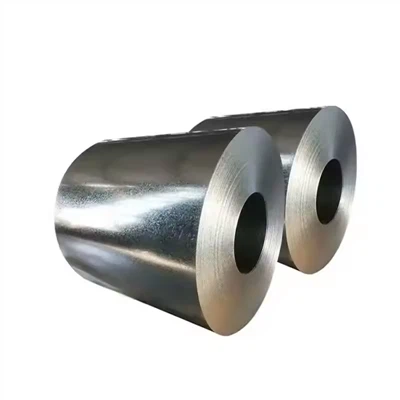
As a critical material in the construction industry, roofing panels' logistical properties directly impact transportation efficiency, costs, and final construction quality.Due to their typically large size, fragility, and bulk transportation requirements, their logistics management requires comprehensive consideration of multiple factors, including material properties, transportation methods, and storage conditions.
Physically, roofing panels are often made of metal (such as color-coated steel), fiberglass, or composite materials. While lightweight and strong, they are also susceptible to deformation and surface damage from impact, compression, or environmental factors (such as humidity and high temperature). Therefore, strict protective measures must be implemented during logistics, such as the use of specialized mounting brackets, anti-slip mats, and rainproof packaging, to ensure stability and integrity during transportation. Furthermore, roofing panels are often large in size and may not fit directly into standard containers or regular trucks. Flatbed trucks or customized transportation solutions are required to improve loading efficiency and reduce the risk of damage.
Roofing panel delivery typically relies on road transport, which offers flexibility and direct access to the construction site. For long-distance transportation, rail or water transport, while less expensive, presents challenges with loading and unloading. Lifting large roof panels, in particular, requires specialized equipment to prevent structural damage. Furthermore, the transportation of roof panels is time-sensitive. Especially during tight construction project deadlines, logistics scheduling must be precisely aligned with the construction schedule to avoid delays that could impact project progress.
Warehouse management is also a critical aspect of roof panel logistics. Because roof panels are susceptible to environmental factors, outdoor storage can lead to rust and degradation. Therefore, indoor warehouses or temporary sunshade and rain protection should be used whenever possible. Furthermore, appropriate stacking methods (such as limiting stack height and using pallets for separation) can reduce the risk of compression and deformation of the underlying panels.
In summary, the logistics nature of roof panels requires meticulous management throughout the entire process, from packaging and transportation to warehousing. By optimizing transportation plans, strengthening protective measures, and implementing efficient warehousing strategies, we can effectively reduce waste and improve logistics efficiency, ensuring the safe and timely delivery of roof panels to the construction site, thereby ensuring the smooth implementation of construction projects.