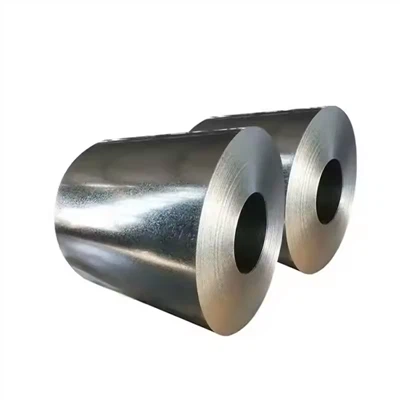
Steel plate is a fundamental material in modern industry and construction. Its performance and application outcomes directly impact project safety and cost control. Long-term practical experience demonstrates that the selection, processing, and maintenance of steel plate require comprehensive consideration of multiple factors.
During the material selection phase, mechanical performance indicators must be clearly defined based on the intended use case. For example, structural steel prioritizes yield strength and toughness, while shipbuilding steel emphasizes corrosion resistance. A common misconception is to focus solely on thickness while ignoring material grade. For example, while Q235 and Q345 appear similar, the latter has significantly higher tensile strength. Misuse can lead to structural hazards. Surface treatment is also crucial. Hot-rolled steel plates require pickling or sandblasting to remove the oxide layer, otherwise it can affect weld quality. Cold-rolled steel plates, while offering a smooth surface, are prone to springback defects during stamping, requiring tooling compensation.
Experience in processing focuses on cutting and welding techniques. Plasma cutting is suitable for high-hardness materials like stainless steel, but the heat-affected zone must be controlled to avoid deformation. Oxyacetylene cutting offers low cost but poor precision and is recommended only for rough machining. When welding, specialized welding rods are required for different steel plates. For example, nickel-based welding consumables must be used when welding dissimilar materials such as 304 stainless steel and carbon steel; otherwise, brittle intermetallic compounds will form. When bolting, the anti-slip coefficient of the friction surface is often underestimated, especially in humid environments. Contact surfaces that have not been sandblasted can lead to joint failure.
A periodic inspection mechanism should be established during the maintenance phase. Steel plates exposed to open air are susceptible to electrochemical corrosion. Regular application of epoxy zinc-rich primer can extend the service life by 5-8 years. Ultrasonic testing of steel plates used in pressure-bearing equipment should be performed every two years, focusing on welds and stress concentration areas. It is important to note that steel plates can undergo strain hardening after long-term load bearing. A seemingly intact structure may have lost some ductility, requiring annealing to restore performance if necessary.
These experiences demonstrate that the application of steel plates is not only a matter of materials science but also a reflection of systems engineering capabilities. Only by deeply integrating theoretical parameters with field practice can a balance between safety and cost-effectiveness be achieved.